Creative Urban Alchemy (CUA Design) is an award-winning Brooklyn-based interdisciplinary design studio working across art, architecture, urban design, and planning to create public spaces that celebrate cultural heritage, strengthen communities, and advance climate resilience. Notable projects include the Migration Heritage Walk at Kingsborough Houses, featuring 35 etched steel markers documenting residents’ migration histories, and Osisi Obodo, a community shade structure and public art installation at Weeksville Heritage Center rooted in Igbo cultural heritage. The studio’s work has been recognized by the New York City Department of Cultural Affairs, Black Artists + Designers Guild, the New York State Council on the Arts, the Architectural League of New York, and United States Artists.
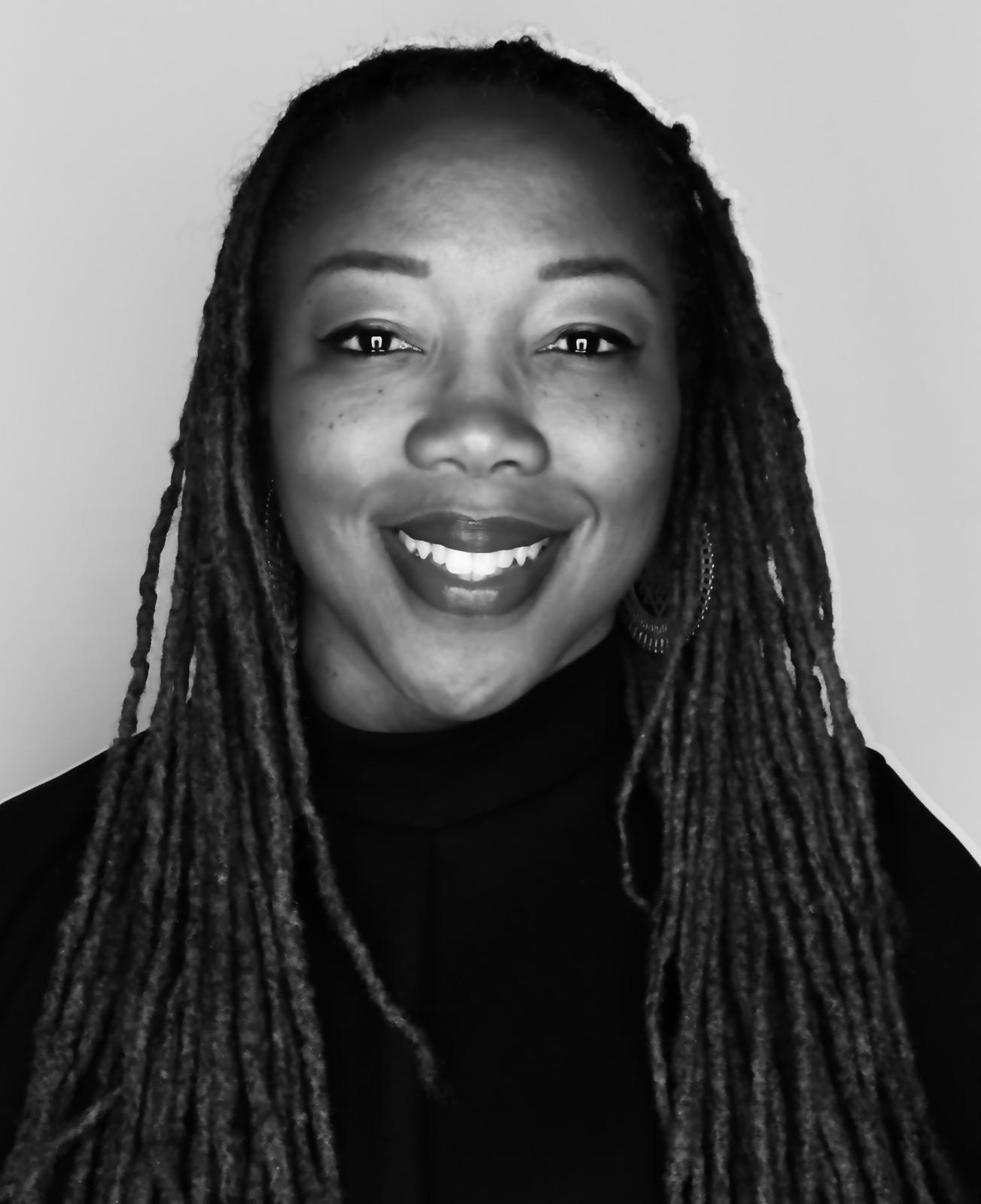
The studio is led by architect, urban designer, artist, and educator Ifeoma Ebo. A 2024 United States Artists Fellow in Architecture & Design, Ebo’s practice reimagines civic spaces through cultural storytelling, public art, and community-centered design. For more information, visit www.cuadesign.com or follow on Instagram @cua_design.
Notable Team Members
Ifeoma Ebo
LEED AP, NOMA
Principal
Career highlights:
Urbanist Strategy & Reparative Design | Founder, CUA Design; Distinguished Lecturer, Spitzer School of Architecture, CCNY; Artist in Residence, NYC Mayor’s Public Engagement Unit (PAIR)
Biography: Ifeoma Ebo is a Nigerian-American, Brooklyn based designer with a twenty year track record in transforming urban spaces into platforms for equity and design excellence. As a trans disciplinary designer, artist, and urbanist she has used her craft to advocate for, design, plan with, and visually showcase the stories of diverse communities. As Distinguished Lecturer for Design & Sustainability at the Spitzer School of Architecture at the City College of New York she engages in research and teaches trans disciplinary courses exploring cultural, climate and environmental justice. She has most recently received awards and fellowships from the Black Artists & Designers Guild, NYS Council on the Arts, the Associate for Collegiate Schools of Architecture, the Architectural League, NYC Department of Cultural Affairs and United States Artists.
Rodney Leon
Architect PLLC
Principal
Career highlights: Memorial Architecture & Culturally Contextual Design | AIA, NOMA; Designer, African Burial Ground National Monument; Designer, The Ark of Return, United Nations
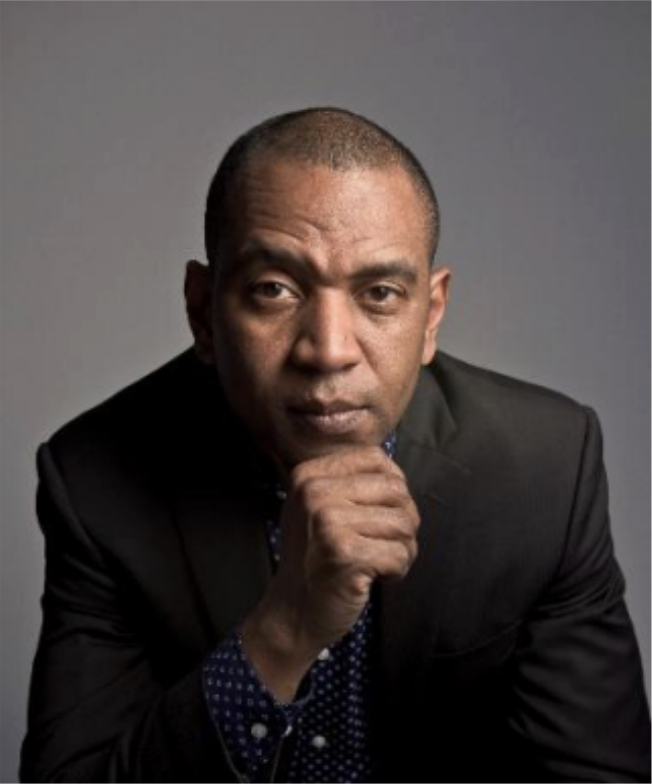
Biography: AIA, NOMA. Over 25 years, Rodney Leon has developed a practice centered on the architecture of sacred and culturally significant sites, with a framework he calls ‘Culturally Contextual’ design: integrating the histories and cultures of diverse communities into the design process as a matter of architectural principle. He is best known as the designer of the African Burial Ground National Monument in New York City — the first National Monument in the United States dedicated to the contributions of people of African descent — and as the winner of the UNESCO international competition to design The Ark of Return at the United Nations Plaza. Current projects include a master plan for the historic African American Mt. Zion Cemetery in Washington DC, the Van Cortlandt Park African Burial Ground (in collaboration with Ifeoma Ebo of CUA Design), and the Enslaved African Memorial in Teaneck, New Jersey. He is President of the African Burial Ground Memorial Foundation. His contribution to this team is the deepest body of built memorial work in American practice at sites that are contested, sacred, and historically suppressed simultaneously.
Kelly M. Britt
Anthropologist
Career highlights: Community Archaeology & Historical Trauma Healing | PhD Anthropology, Columbia University; Associate Professor, Brooklyn College & The Graduate Center, CUNY; Director, Urban Archaeology Lab; Trustee, Flatbush African Burial Ground Coalition
Biography: PhD Anthropology, Columbia University; Associate Professor, Brooklyn College and The Graduate Center, CUNY; Director, Urban Archaeology Lab; Trustee, Flatbush African Burial Ground Coalition. Kelly Britt is a community-based activist archaeologist whose practice centers on how historical and archaeological knowledge can foreground community needs and voices in the present. Her published work addresses heritage as action, urban archaeology as advocacy, and community-based archaeological practice as a form of abolitionist heritage work. She is currently collaborating with the Van Cortlandt Park Alliance on the Van Cortlandt Park African Burial Ground — a project that has deepened the team’s shared methodology for working at sites of ancestral significance and historical trauma. Her engagement with historical trauma healing, including GPR and healing workshops at the Flatbush African Burial Ground in 2024 (in collaboration with Ifeoma Ebo of CUA Design), brings a specific and rare methodology for working with communities for whom a site carries ancestral pain. This is directly applicable to the Onondaga Nation’s relationship to this land, and to any subsurface archaeological considerations the site presents.
Branly Cadet
Sculptor
Career highlights: Figurative Public Sculpture | Cornell University, College of Architecture, Art & Planning; New York Academy of Art — Public commissions include ARISE at EJI’s National Memorial for Peace and Justice; Octavius V. Catto Memorial, Philadelphia City Hall; Adam Clayton Powell Jr. Memorial, Harlem; Black Patriots Who Served in the Revolutionary War, Maryland Statehouse (Summer 2026 Unveiling)
Biography: Cornell University, College of Architecture, Art & Planning; New York Academy of Art, Graduate School of Figurative Art. Branly Cadet is among the foremost figurative sculptors working in American public memorial practice. His commissions include ARISE: Ancestral Heirs Illuminate Truth at the Equal Justice Initiative’s National Memorial for Peace and Justice in Montgomery, Alabama; The Octavius V. Catto Memorial at Philadelphia City Hall; The Adam Clayton Powell Jr. Memorial in Harlem; and The Jackie Robinson Memorial at Dodger Stadium. His current work — Black Patriots Who Served in the Revolutionary War at the Maryland Statehouse (Summer 2026 unveiling) and The Louise B. Miller Memorial + Freedom Garden at Gallaudet University — represents a practice at the forefront of American civic sculpture. Cadet brings the specific technical and artistic expertise required to engage the Columbus Monument’s existing bronze elements — whether through reinterpretation, recontextualization, activation, or the creation of new figurative work in dialogue with the site.
Excerpts from Letter of Intent
“Columbus Circle sits at the center of a civic question that American cities have rarely managed to answer honestly: how does a public space hold contested history without erasing the past or foreclosing a different future? Syracuse has been working toward that answer for nearly a decade. The Full Circle Design Competition is the moment when that accumulated civic work becomes built form.”
“We understand this site to carry four distinct and non-equivalent layers of meaning. The land itself is ancestral Onondaga territory — the Onondaga Nation is a sovereign people with an ongoing, living relationship to this place, not a historical one. The Columbus Monument carries the cultural memory of Italian American communities who funded it as an assertion of belonging in a city where they faced discrimination. The broader downtown holds histories of Black and immigrant communities whose presence has been systematically underrepresented in Syracuse’s civic commemorative record. Our task is to ensure that what this site becomes is worthy of every stake in this place.”
“The strongest civic spaces do not demand consensus. They create conditions in which different communities can each find their history honored, without flattening the differences between them.”
Previous Work Examples
Elktonia Heritage Park Masterplan
Annapolis, Maryland | 2025-2026

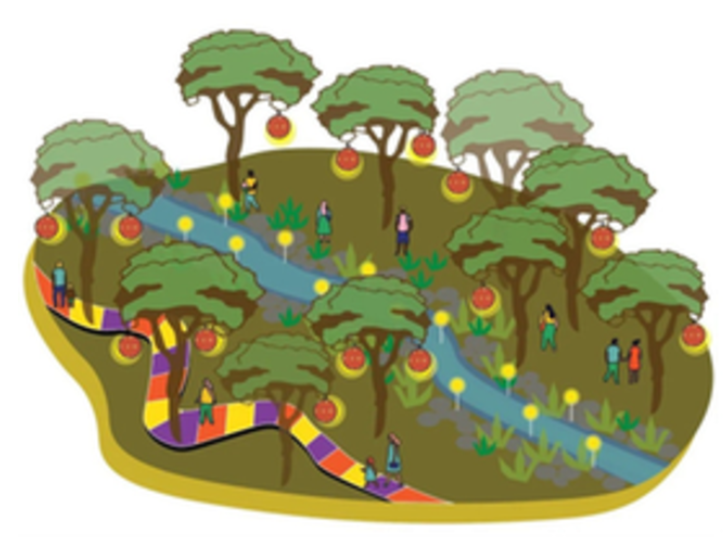
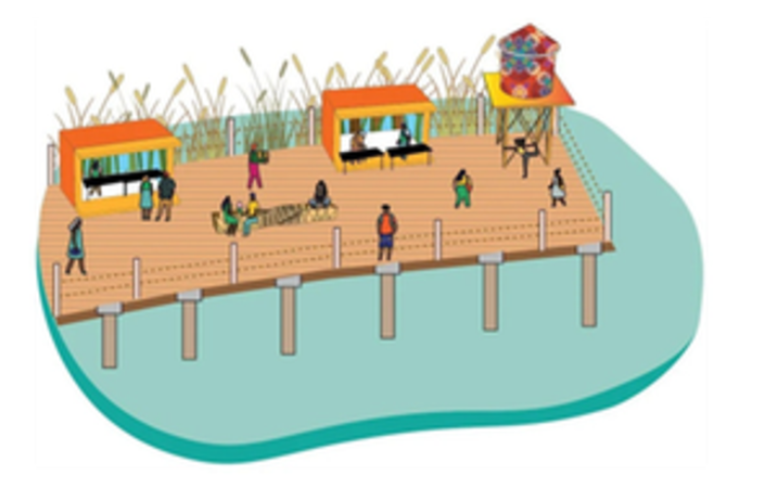
The City of Annapolis, in partnership with the Resilience Authority of Annapolis and Anne Arundel County, has selected McAdams, and SCAPE to create a Master Plan for Carr’s Elktonia Heritage Park. They led a team that includes MBP, Creative Urban Alchemy, Underwood and Associates and Synergy Solutions.
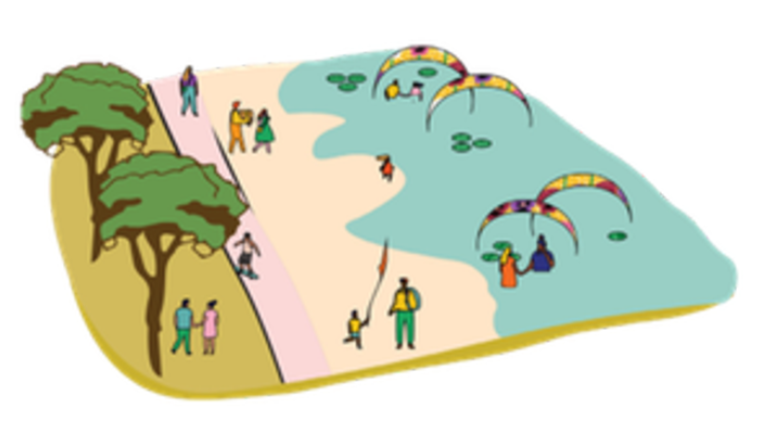
Under the Master Plan, the five- acre site will become a new park designed to acknowledge and celebrate Chesapeake Bay’s historic Black beaches. The work will involve landscape design as well as shoreline restoration to protect the new park and its beach from the impacts of climate change.
Once one of the few Black-owned beaches during the Jim Crow era, Carr’s and Sparrow Beaches offered Black families a safe place to gather, relax and enjoy performances that shaped music history. Today, this new plan honors that legacy through public art, cultural storytelling, gathering spaces and shoreline restoration, ensuring the park remains a place for everyone.
Migration Heritage Walk at Kingsborough Houses
Brooklyn, New York | 2025-2026
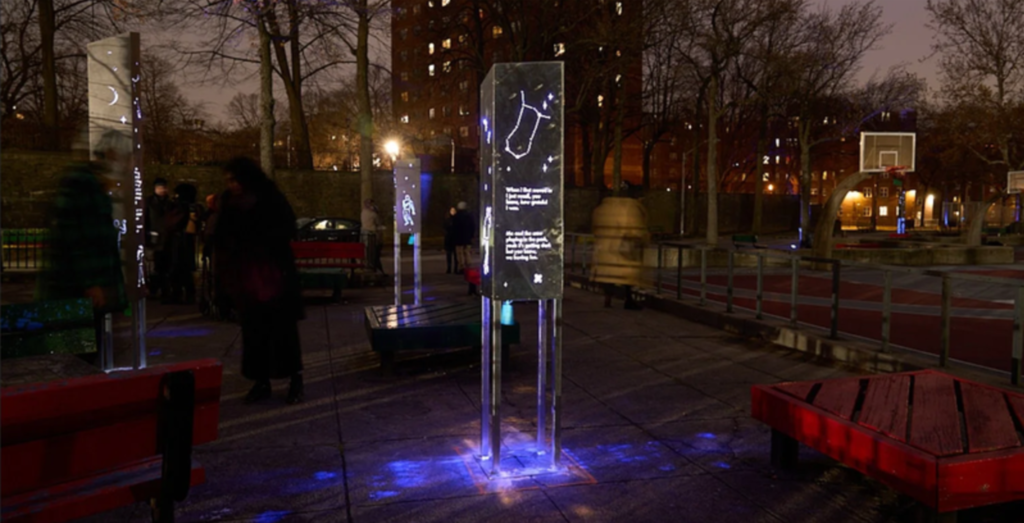
This permanent installation is part of the Capital Project to restore the Exodus & Dance frieze at Kingsborough Houses, led by the Public Housing Fund (PHCF) and funded by the Andrew W. Mellon Foundation.
Working alongside local artists and the Kingsborough Houses resident community, the Migration Heritage Walk project employs a place-based strategy, highlighting shared histories, memories, and aspirations. The Heritage Walk serves as the medium, reflecting community voices and narratives while honoring the significance of the historic, restored 1938 sculptural frieze, Exodus & Dance, by Richmond Barthé, a Harlem Renaissance artist. The work is envisioned through a partnership between lead artists Ifeoma Ebo of Creative Urban Alchemy and Jerome Haferd of Jerome Haferd Studio.
Inspired by Barthé’s frieze, multiple migration histories and Egyptian motifs, the permanent Storywalk installations form a constellation of thirty-five steel artworks distributed throughout the campus, preserving the rich cultural heritage of Kingsborough Houses and its largely African American community.
The solar-illuminated forms feature inscribed text and images depicting anecdotal and historical material related to Barthé and Kingsborough Houses, alongside contemporary quotes, movement, and memories from residents in their own voices. Themes include “legends” of Kingsborough, the Great Migration from the United States South, memories of Exodus & Dance (“The Wall”), and the importance of community and extended family.


African Burial Ground National Monument Memorial
New York, New York | 2007
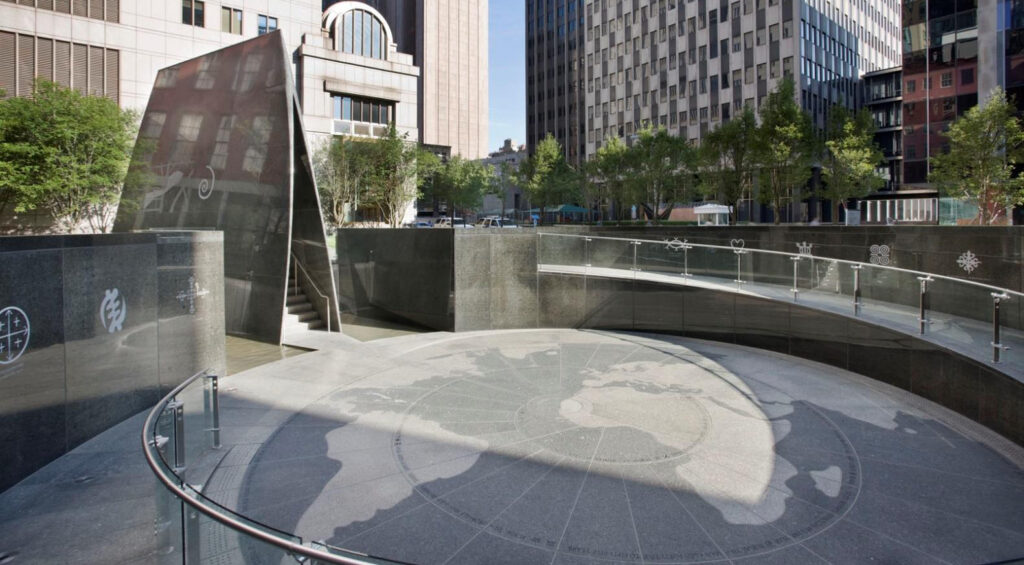
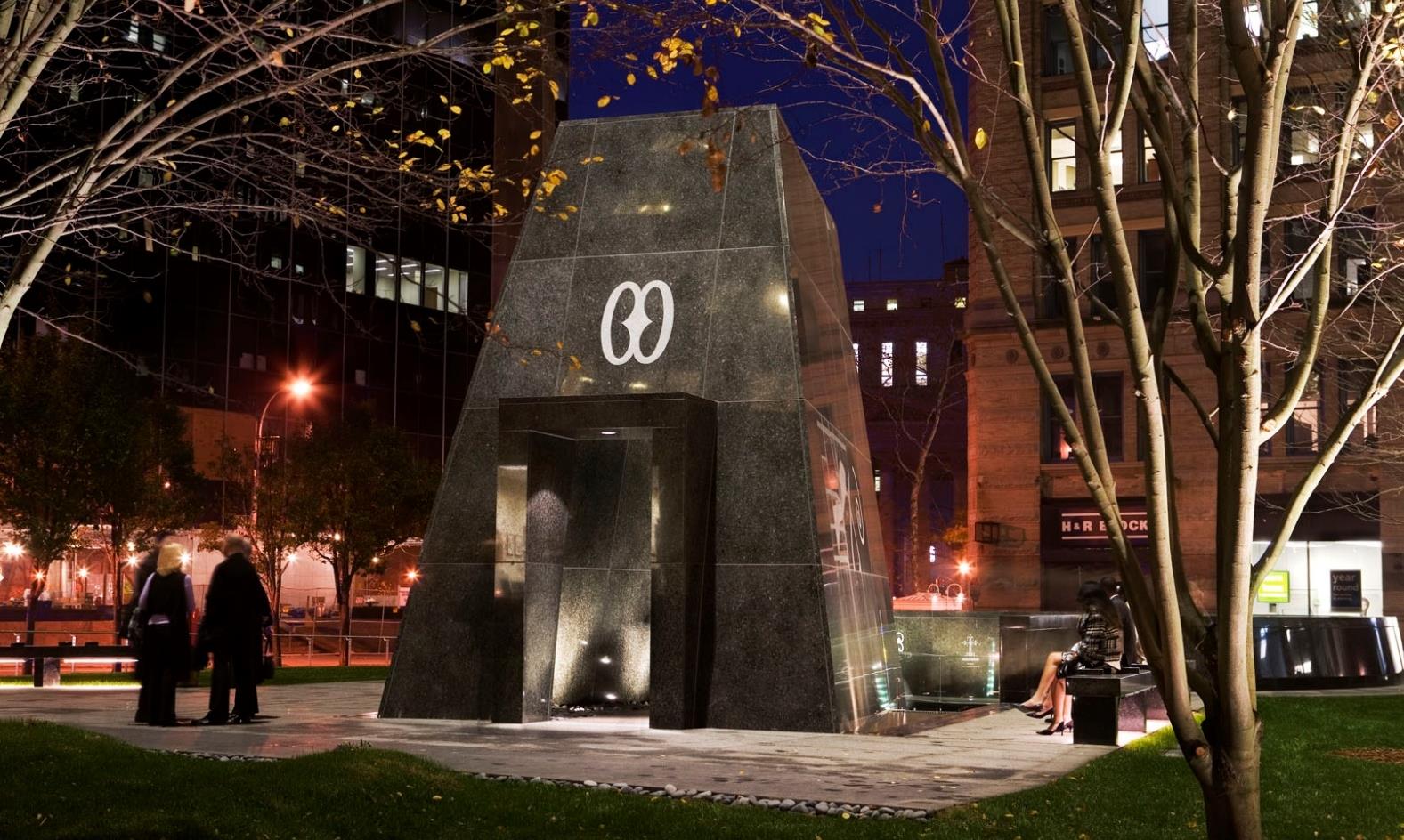
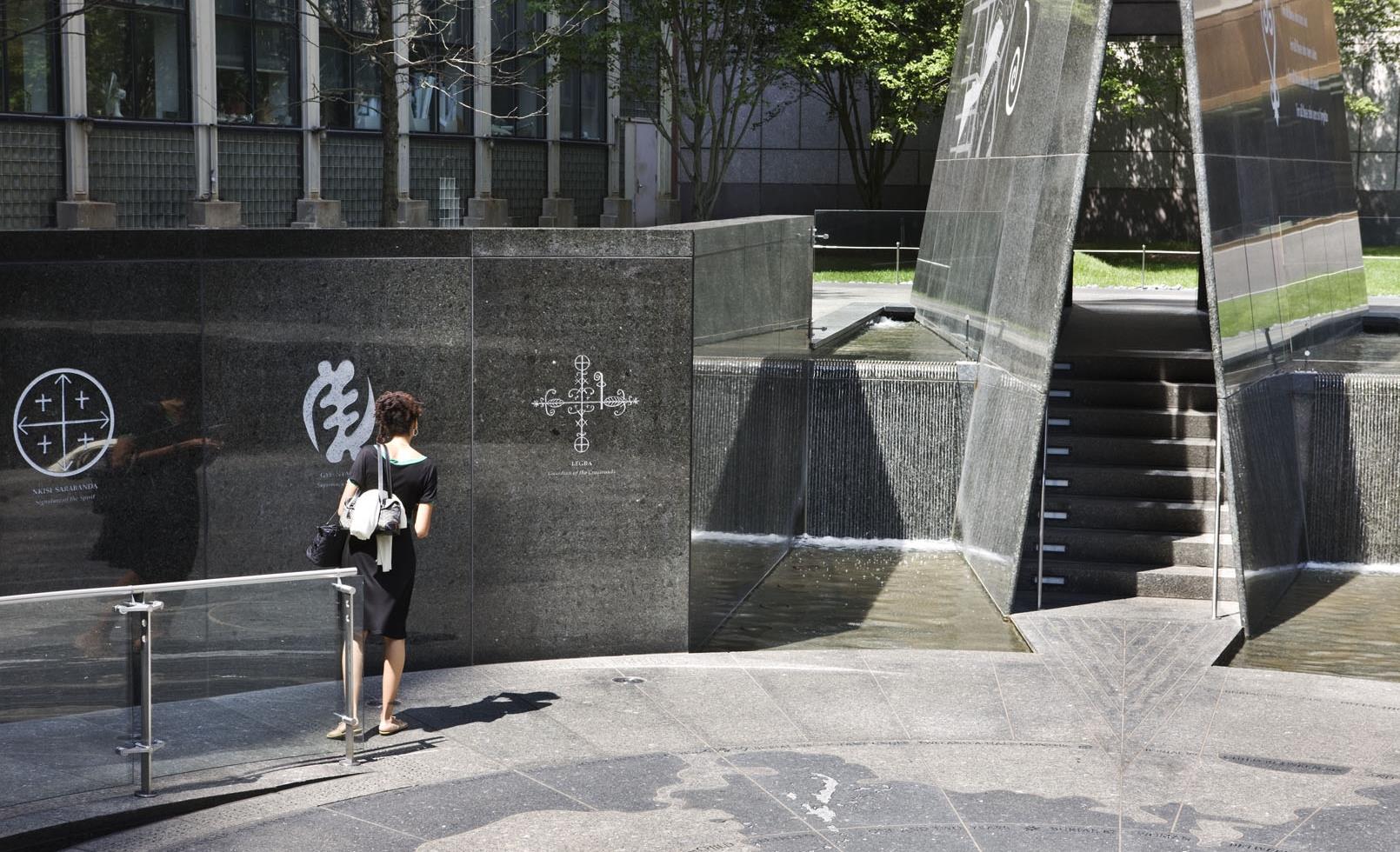
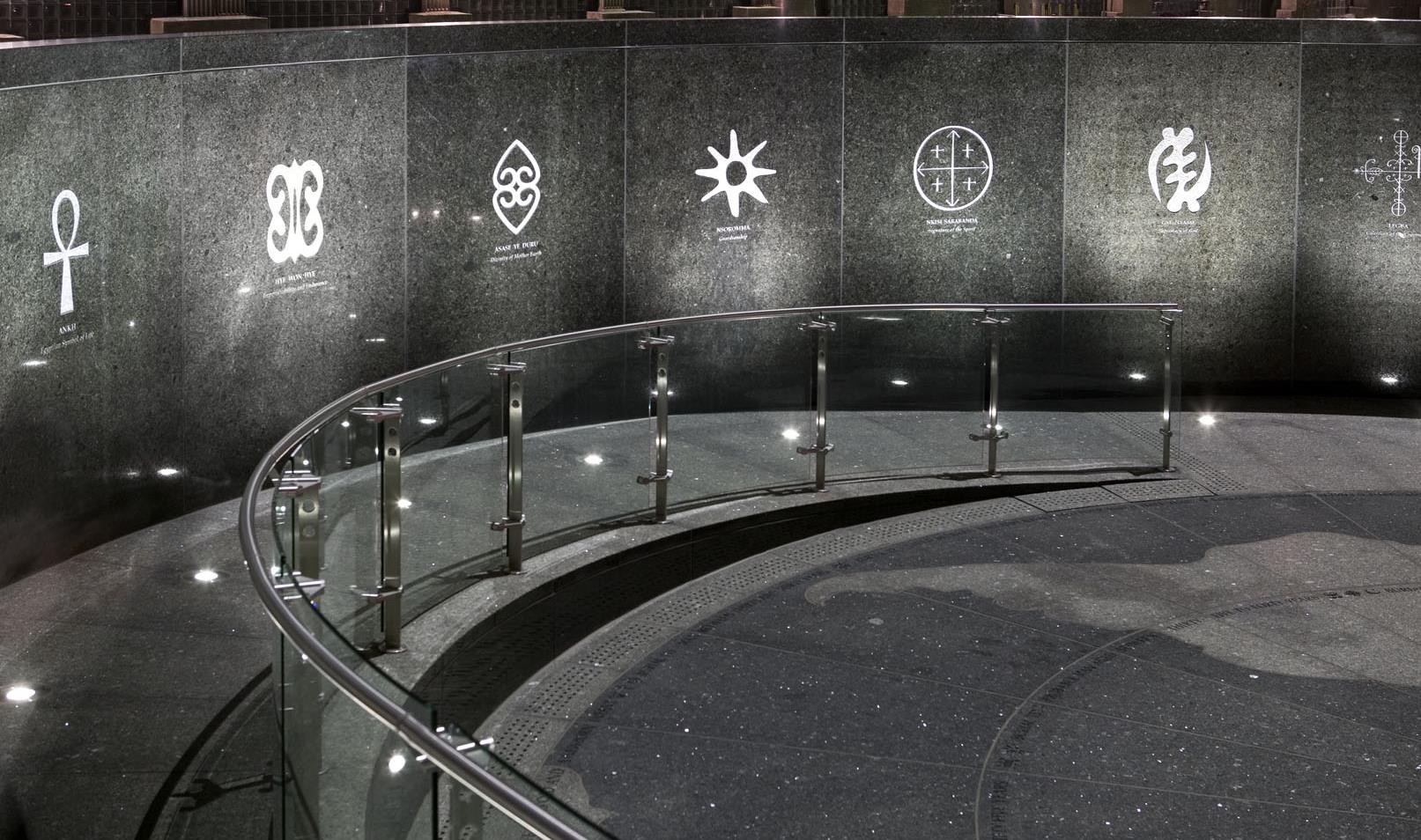
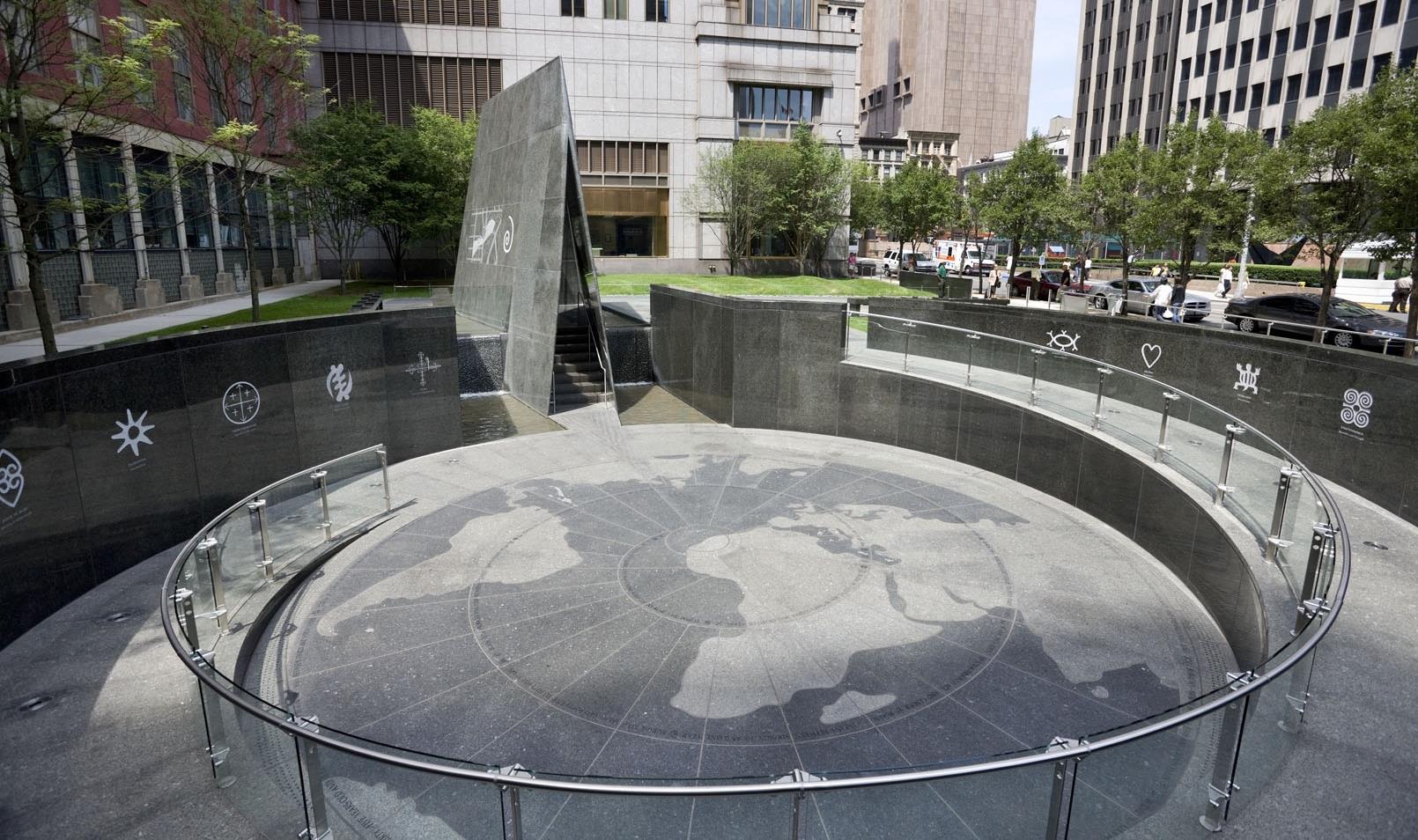
The African Burial Ground is the first and only National Monument in the United States dedicated to the enslavement of people of African descent. Through seven interactive elements, the African Burial Ground Memorial serves to define the location where the historic re-interment of remains and artifacts of 419 Africans has taken place. It will also serve to acknowledge the site as a Sacred Place where an estimated 20,000 remains of Africans are currently buried.
Rodney Leon was designer for this project and principal architect responsible for design and construction of this project while serving as Principal at AARRIS Architects. Rodney Leon Architect PLLC provides ongoing technical, operations, maintenance and educational services to the National Parks Service in support of the African Burial Ground Memorial, including public presentation and ongoing community engagement initiatives.
The Ark Of Return United Nations Permanent Memorial
New York, New York | 2015
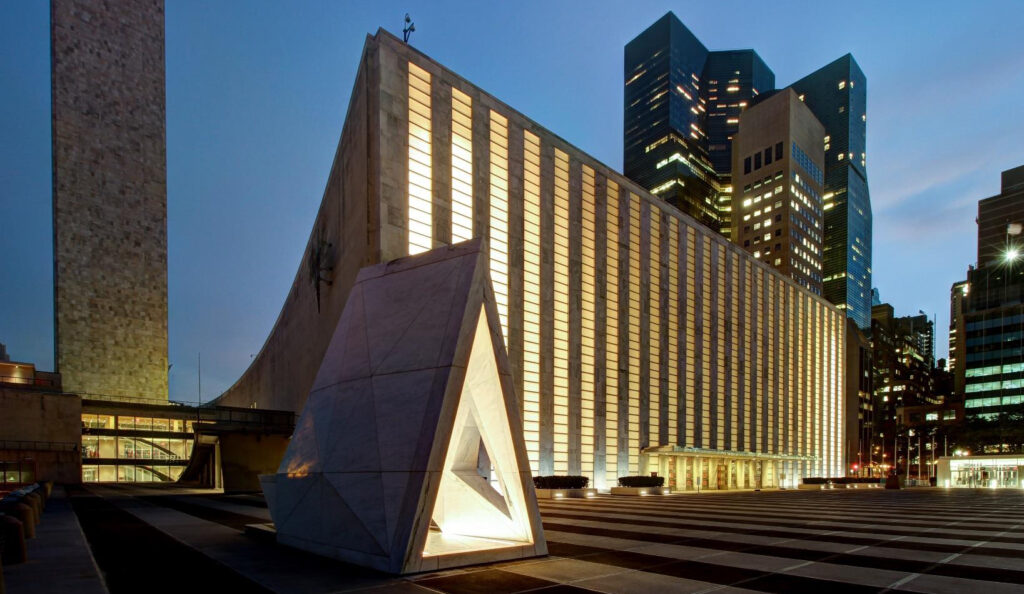
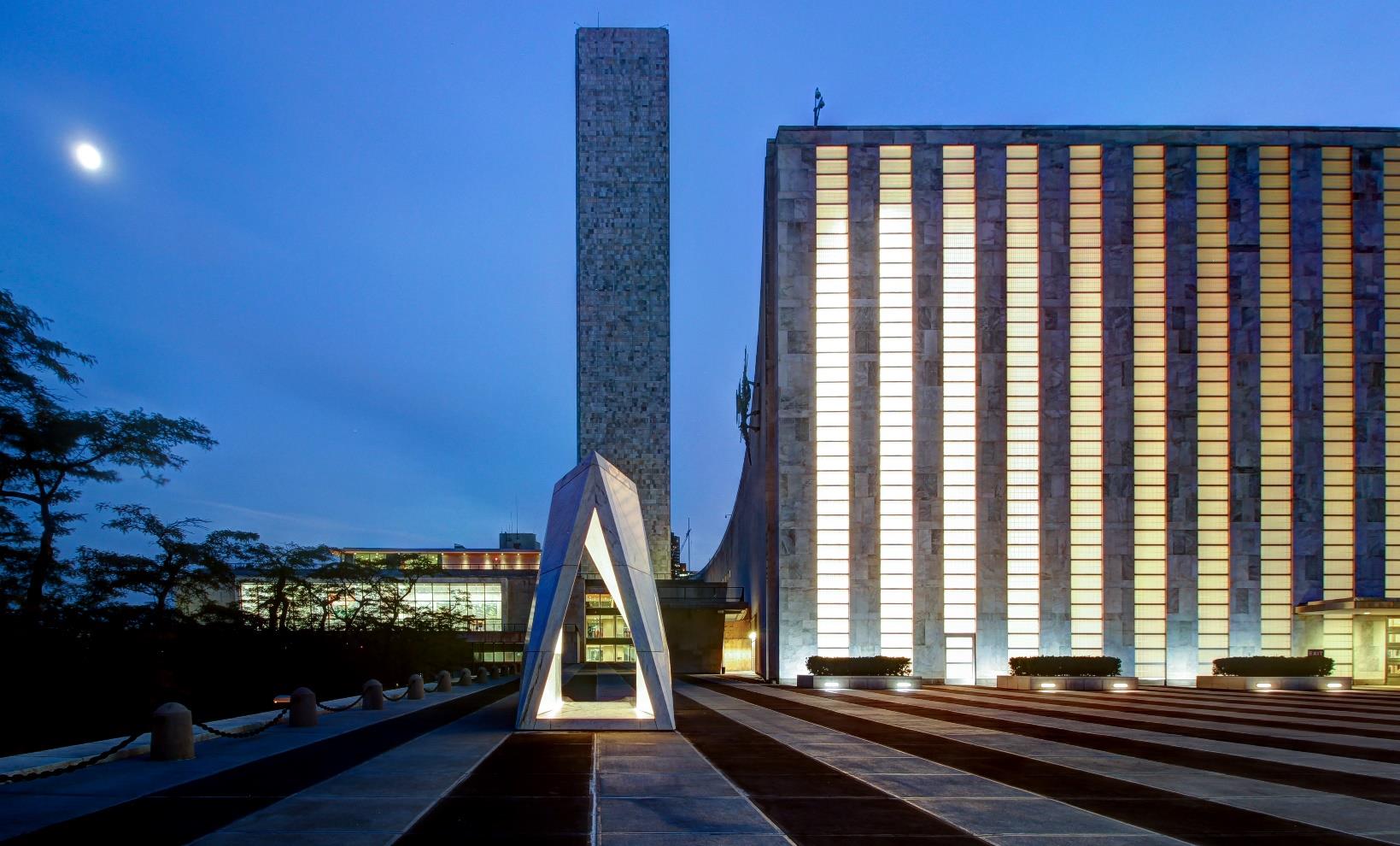
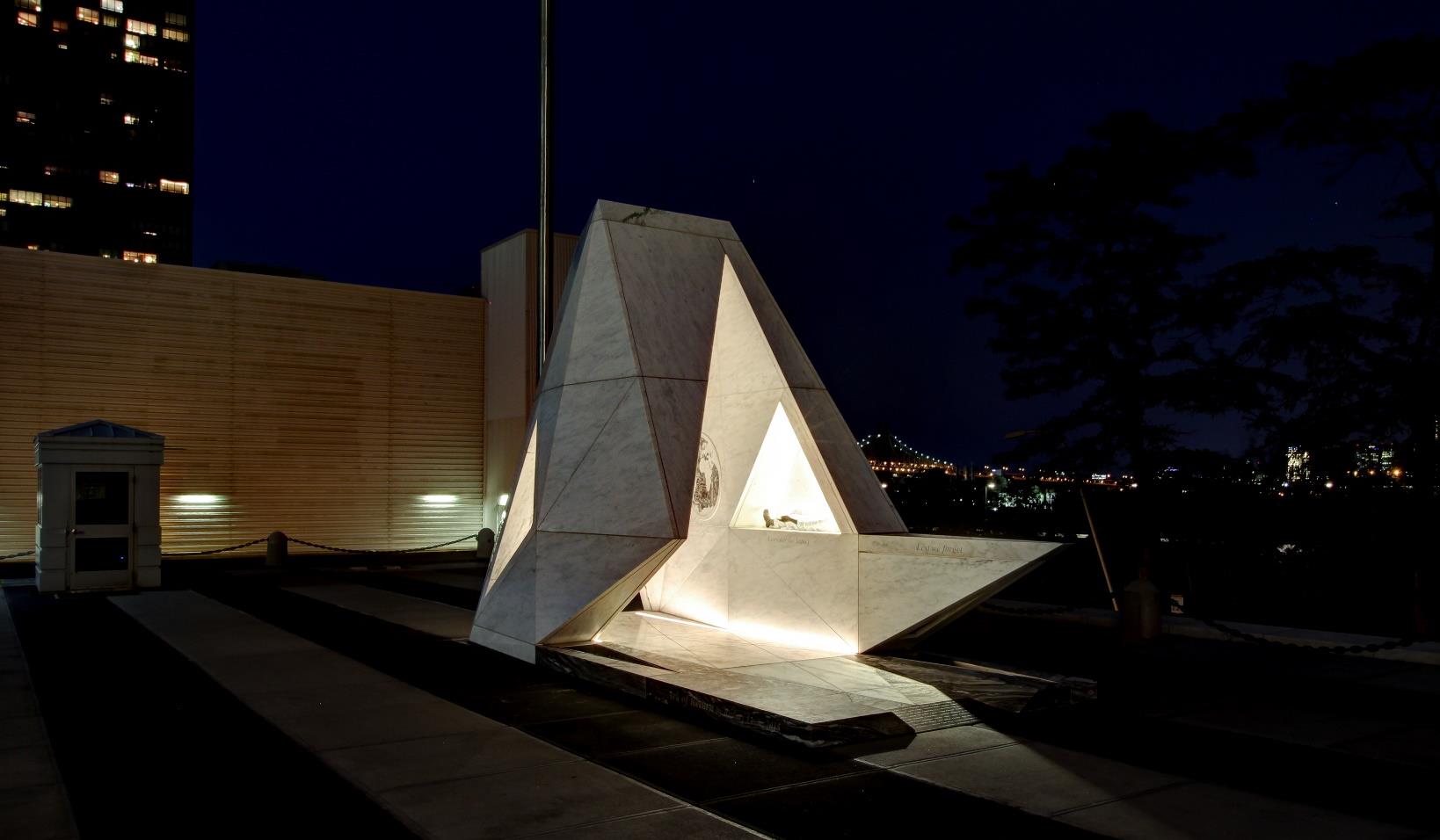
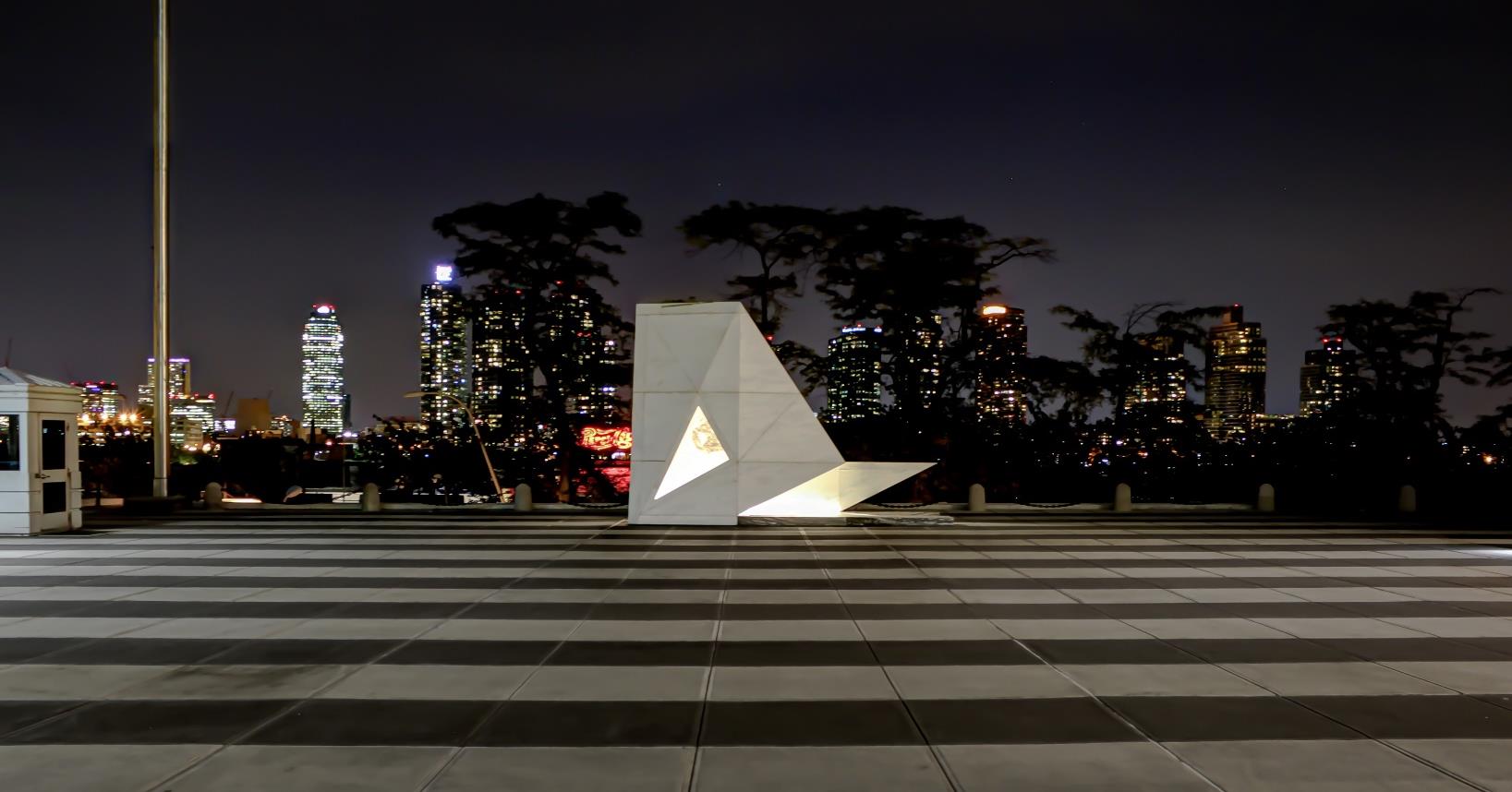
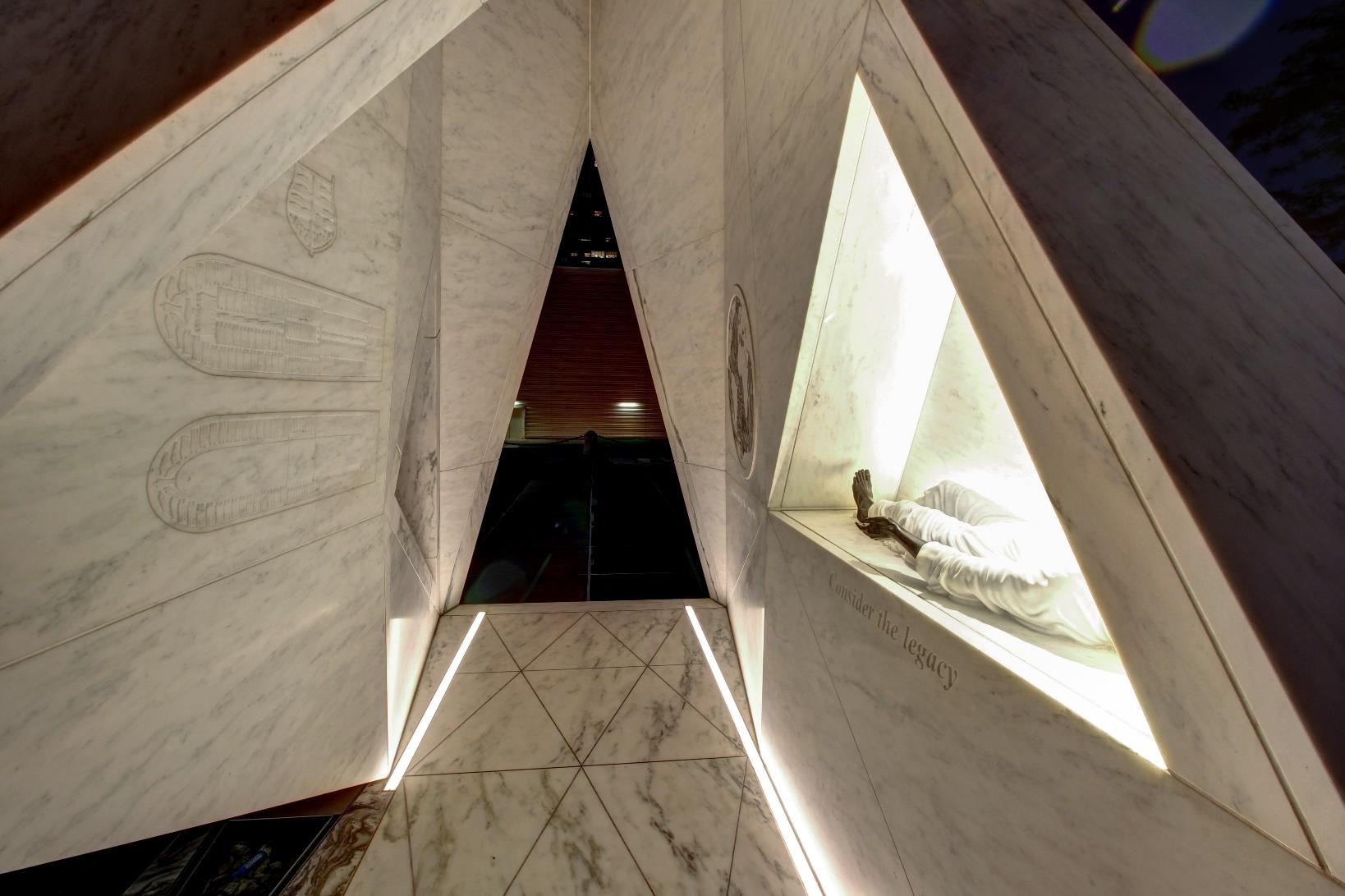
The Ark of Return is a permanent memorial at the United Nations in honor of the Victims of Slavery and the Transatlantic Slave Trade. As Principal Designer and Builder, Rodney directed the design and construction of the Ark of Return, while participating in the public engagement and education process. The triangular form of the memorial design is inspired by slave ships and “triangular” transatlantic slave trade maps.
The Ark of Return invites visitors to pass through an interactive space of healing organized along a three-part theme: Acknowledge the Tragedy, Consider the Legacy, Lest We Forget.