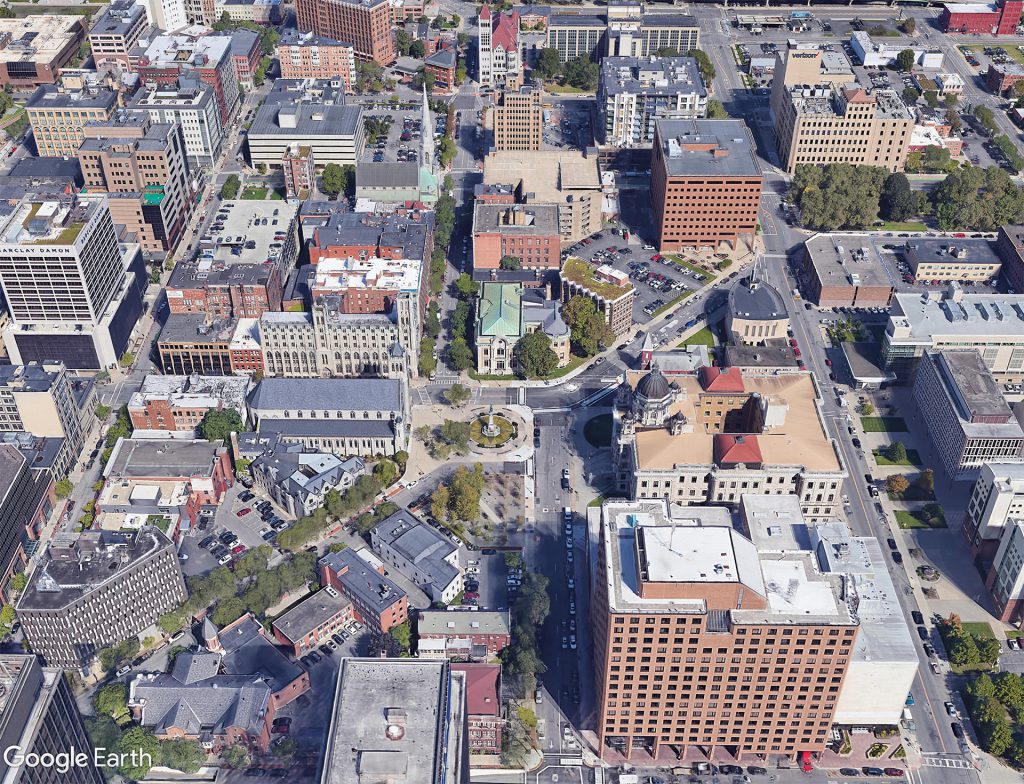
Here is the project site on which The Full Circle Design Competition is focused: Click on the pins for more insights on the district’s important structures and their respective histories.
Note: The Project Site is within Syracuse’s Cathedral Square neighborhood and includes a variety of historically important architecture and points of interest. The I-81 viaduct is being removed just a few blocks away, in favor of a community grid. This major infrastructure project is expected to dramatically change pedestrian and vehicle traffic, transforming the downtown experience.
Each pin contains a video from Robert Searing, the Curator of History for OHA. Here is an intro to these videos.
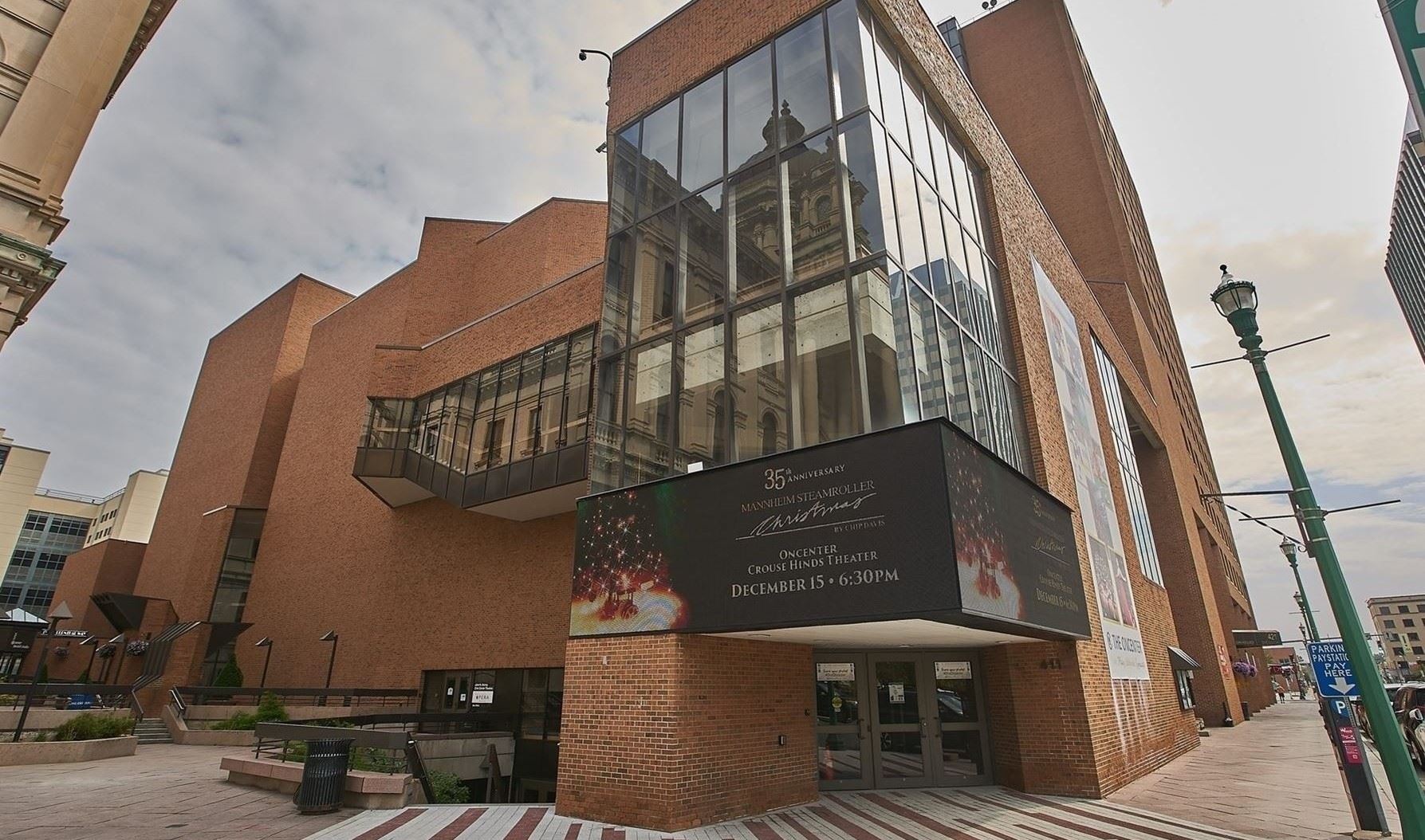
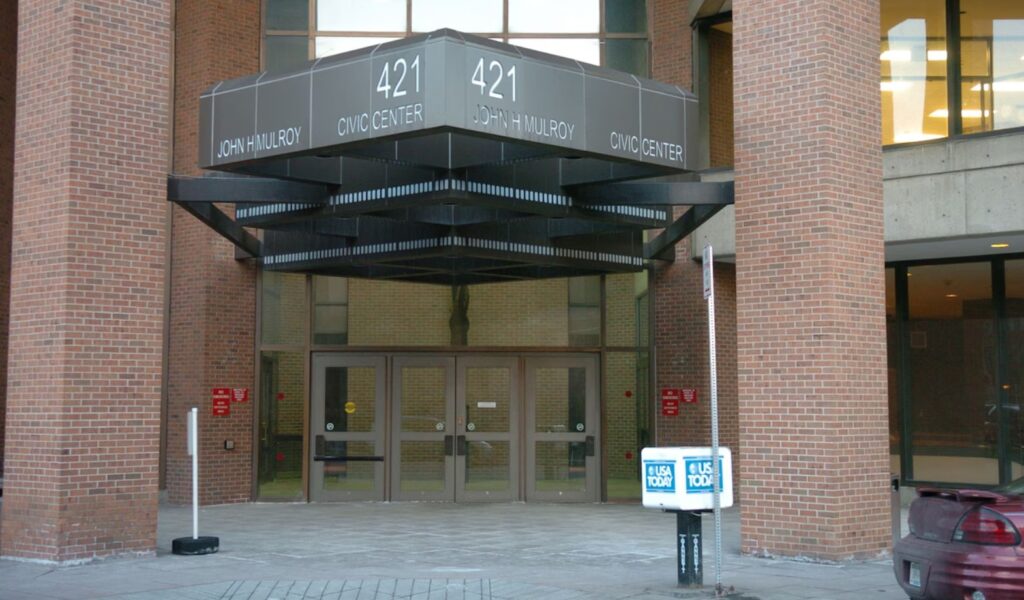
OnCenter: Civic Center Theaters & Onondaga County Office Complex
The OnCenter is a major multi-venue civic complex comprising the John H. Mulroy Civic Center Theaters, the Nicholas J. Pirro Convention Center, and adjacent county offices. Opened in phases from the 1950s through 1992, it hosts performing arts, conventions, meetings, and community events while housing Onondaga County government functions.

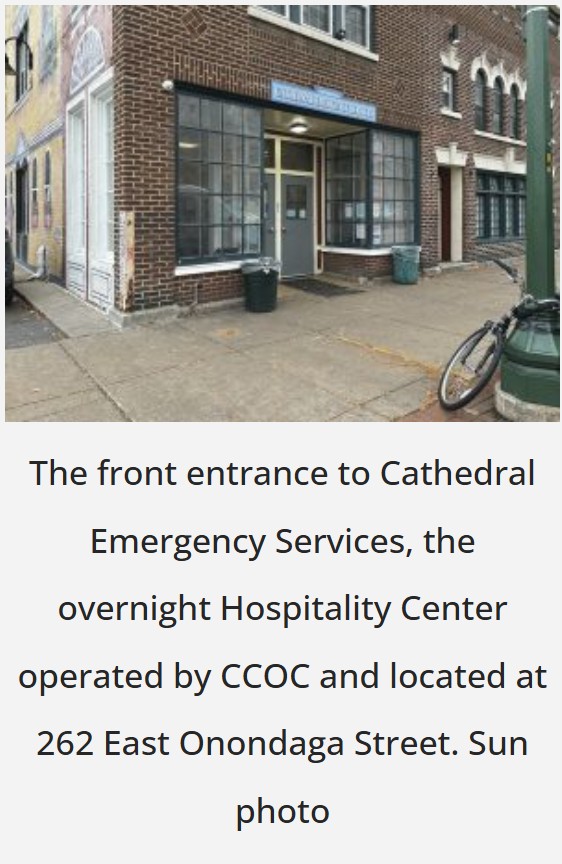
Catholic Charities
The building serves as an overnight warming space and refuge from the streets for anyone over 18 experiencing homelessness. Services in this location include case management, a food pantry and intake for housing and healthcare needs. Community members receiving these services often use the nearby area as a space to gather.
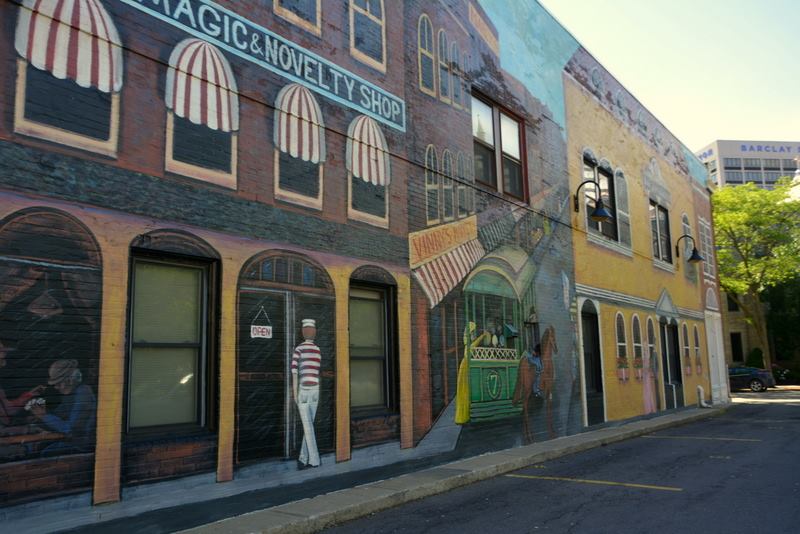

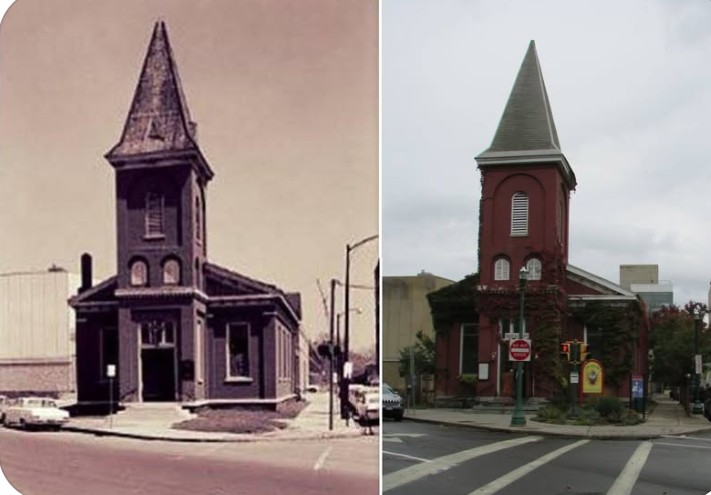
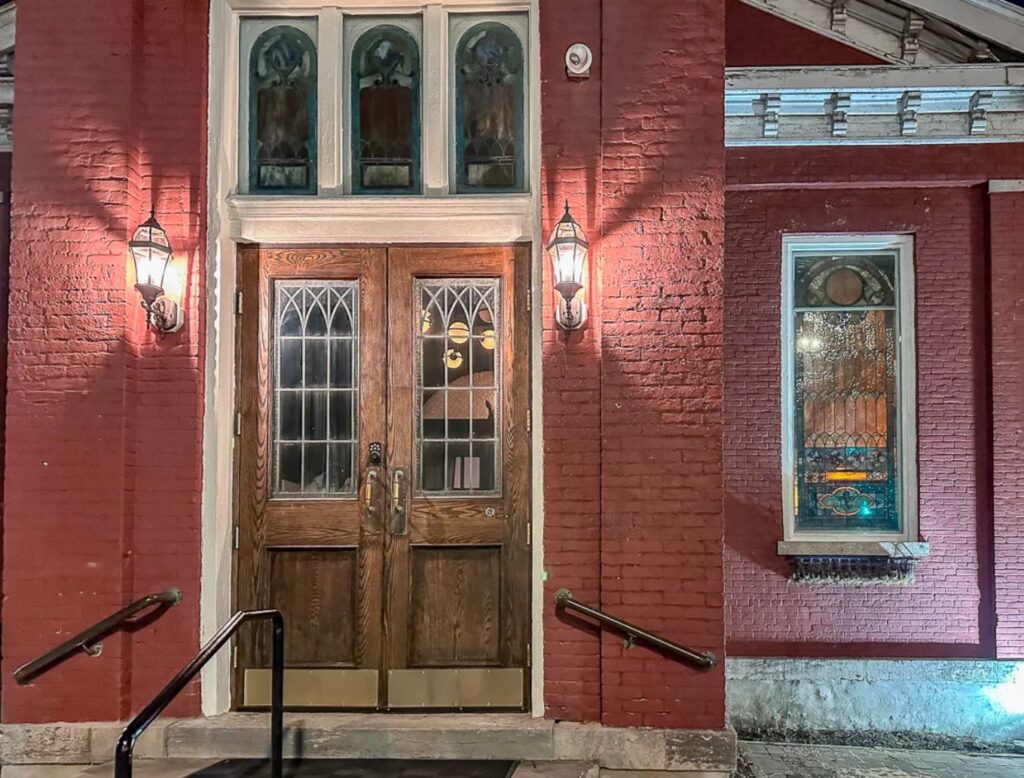
Wesleyan Church / Noble Cellar Restaurant
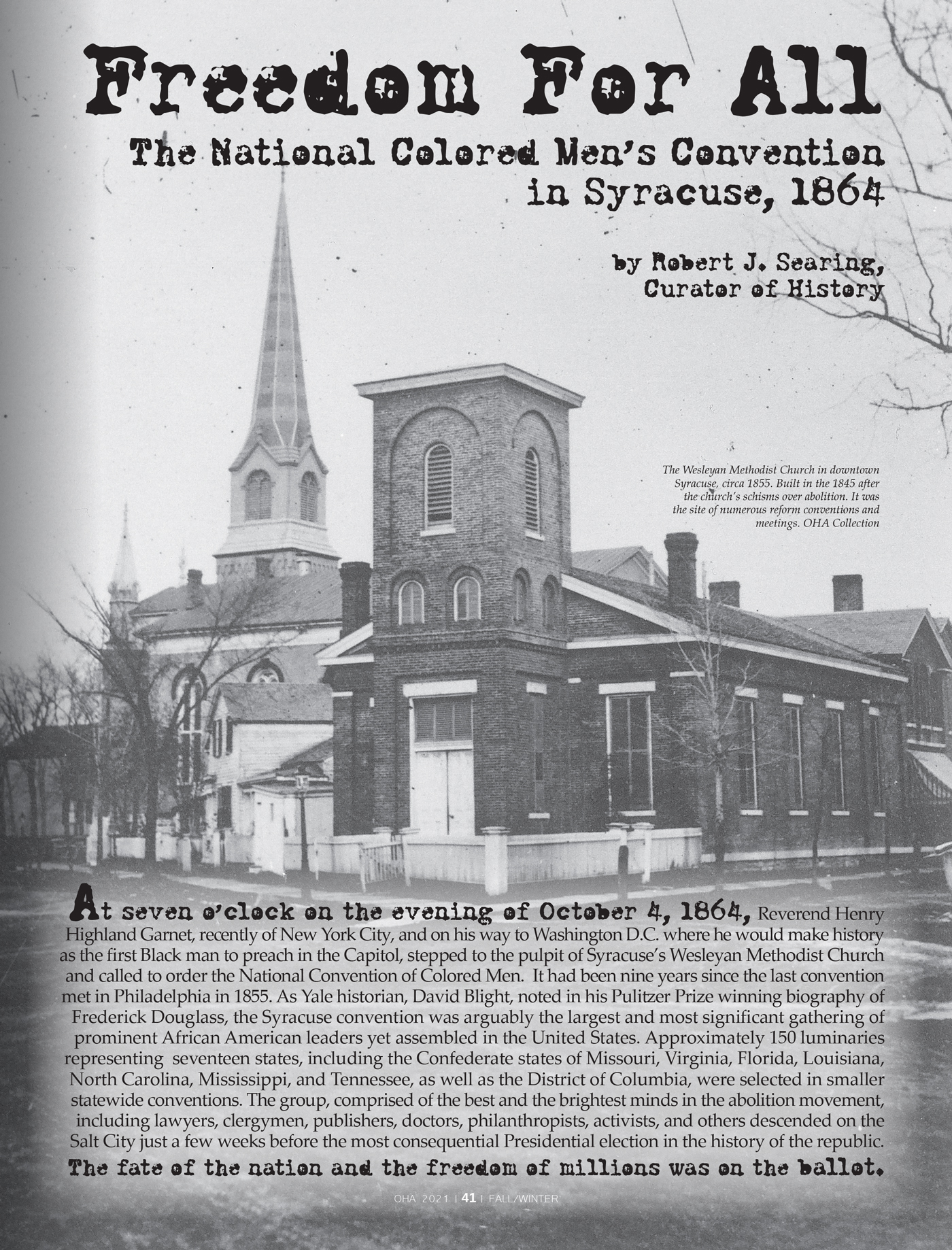
The Wesleyan Methodist Church, built in 1845 at 304 East Onondaga Street in Syracuse, was a biracial abolitionist congregation and an important Underground Railroad station. Organized by anti-slavery Methodists who split from the Methodist Episcopal Church, it served as a hub for abolitionist activity and helped freedom seekers escape to Canada. The Church was home to important events such as the 1864 National Convention of Colored Men, and the location of speeches given by Frederick Douglass and Rev. Jermain Loguen.
Carnegie Library
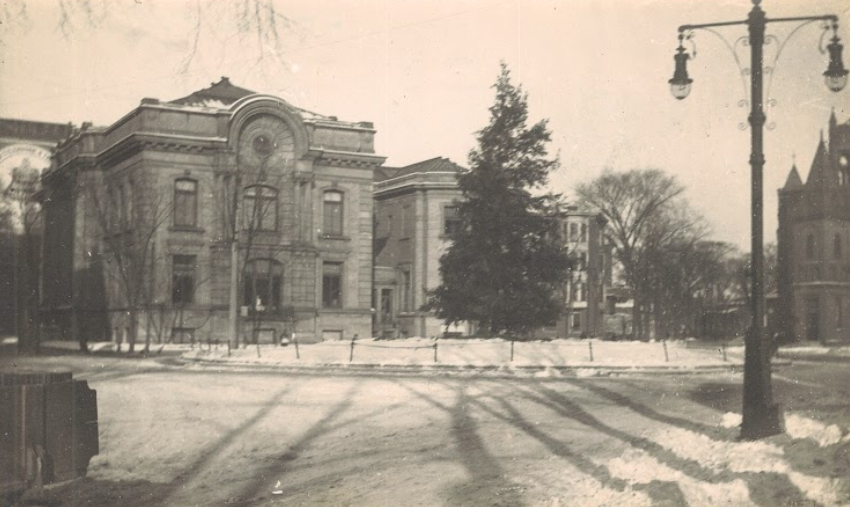
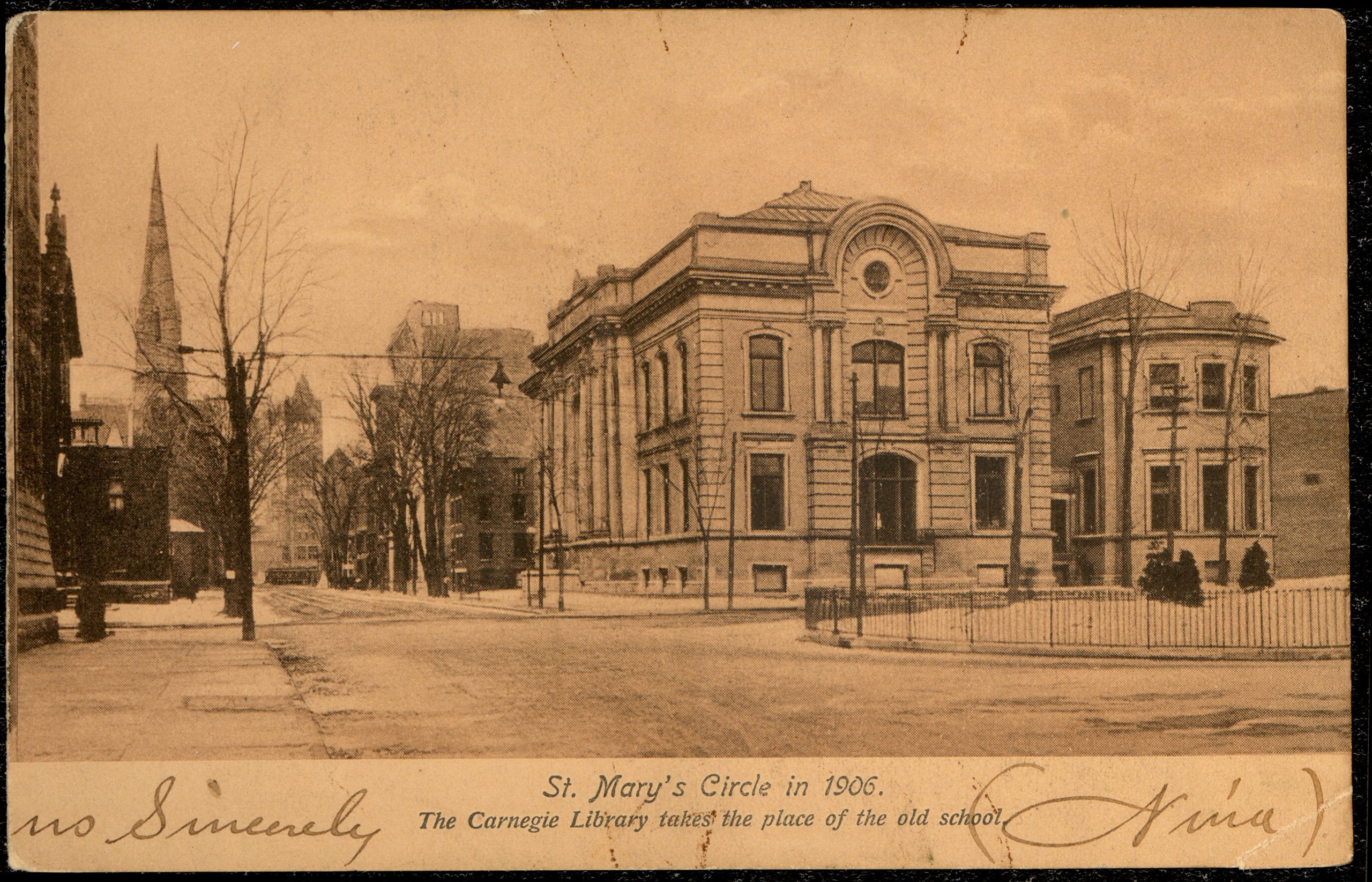
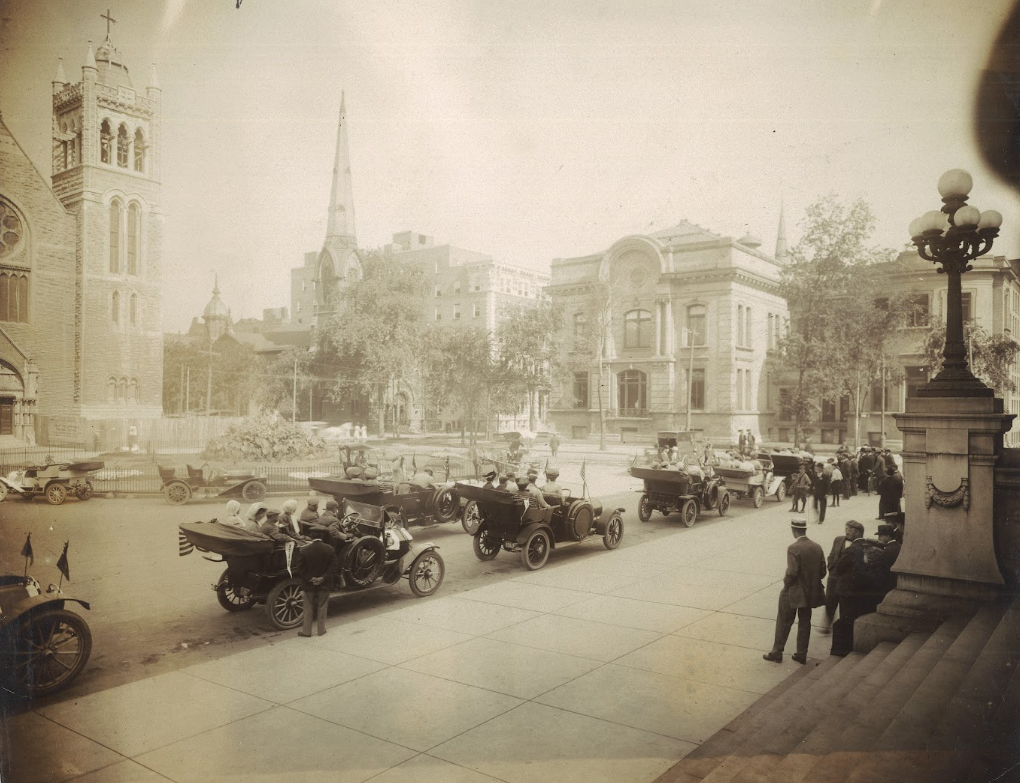
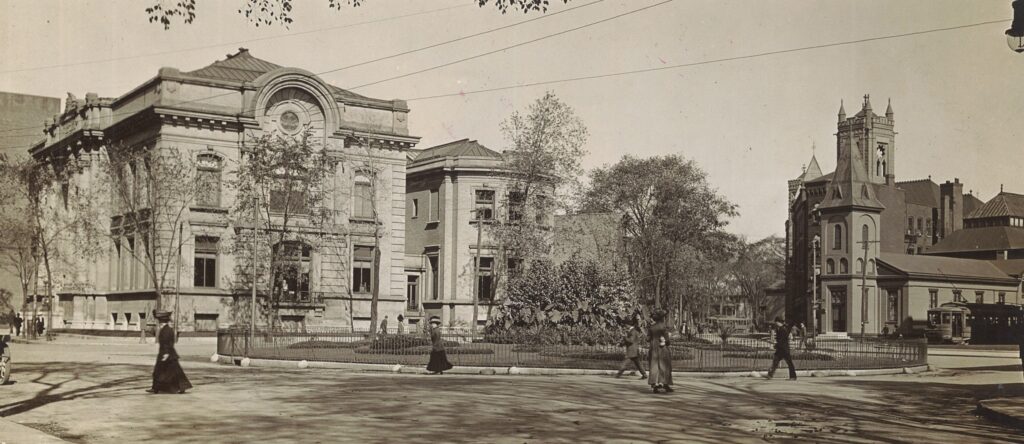
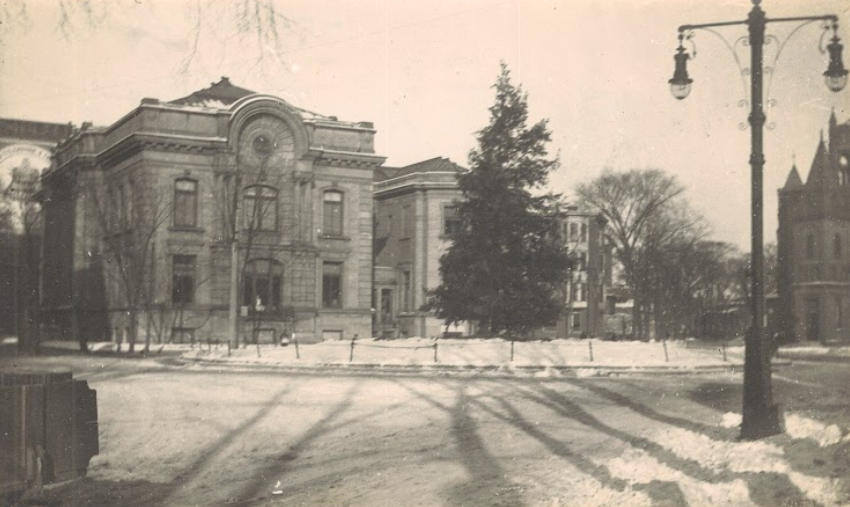
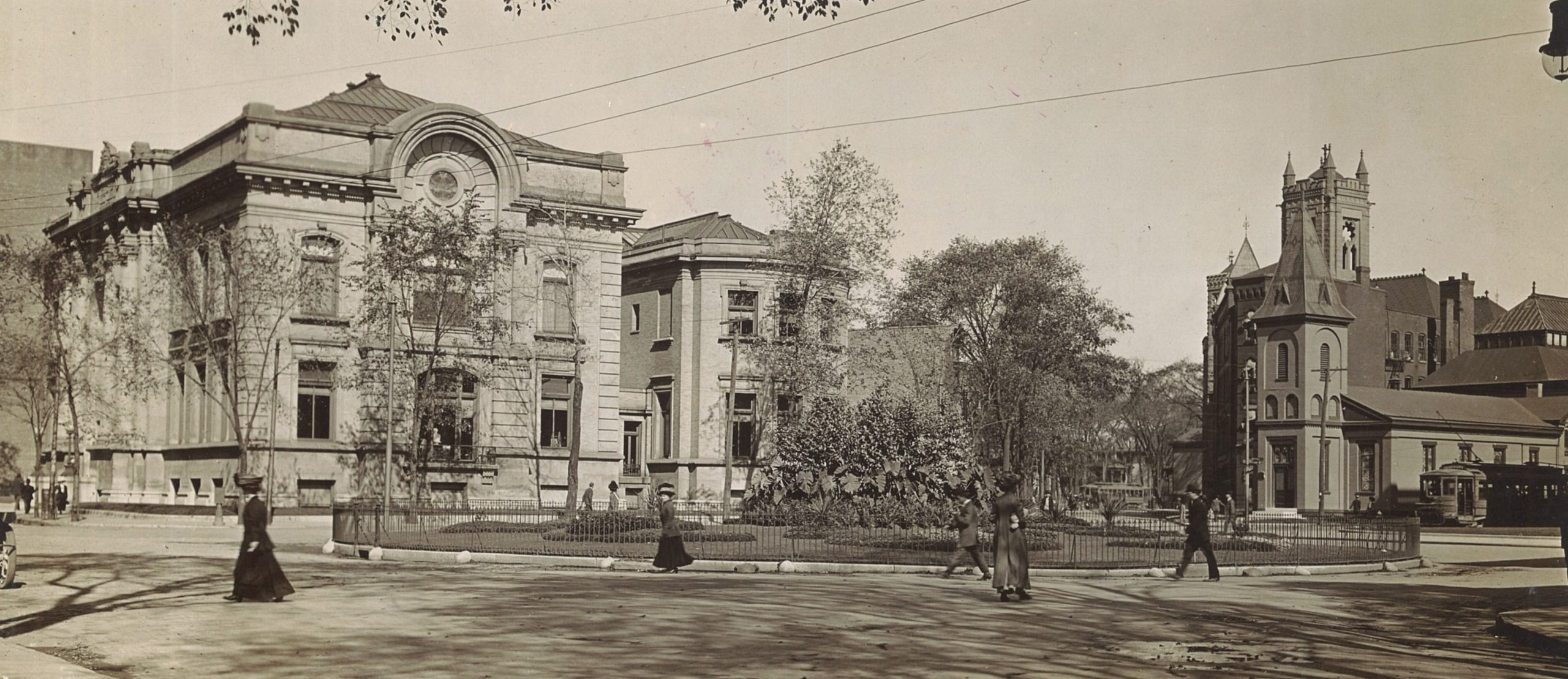
The Carnegie Building was constructed in 1905–06 with a donation from Andrew Carnegie as the city’s first public library. Designed in Beaux-Arts style, it served as the Syracuse and Onondaga County library until 1988. Later adapted for other uses, it remains a historic landmark in the Montgomery Street–Columbus Circle Historic District.
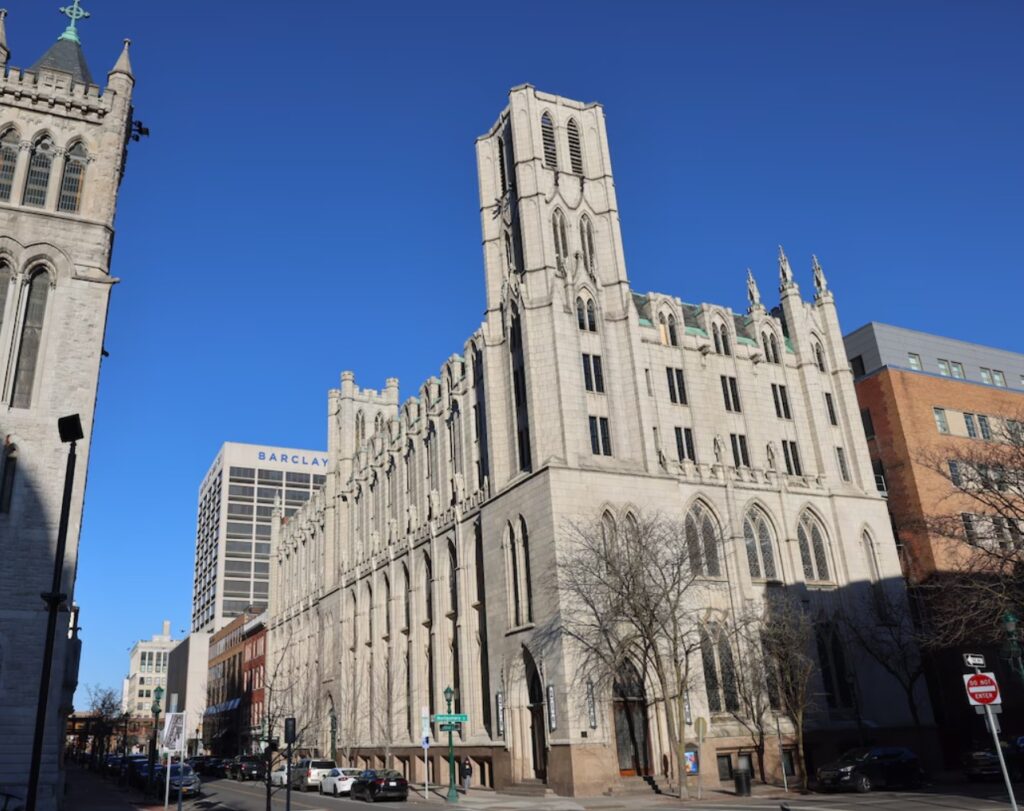
Mizpah Tower
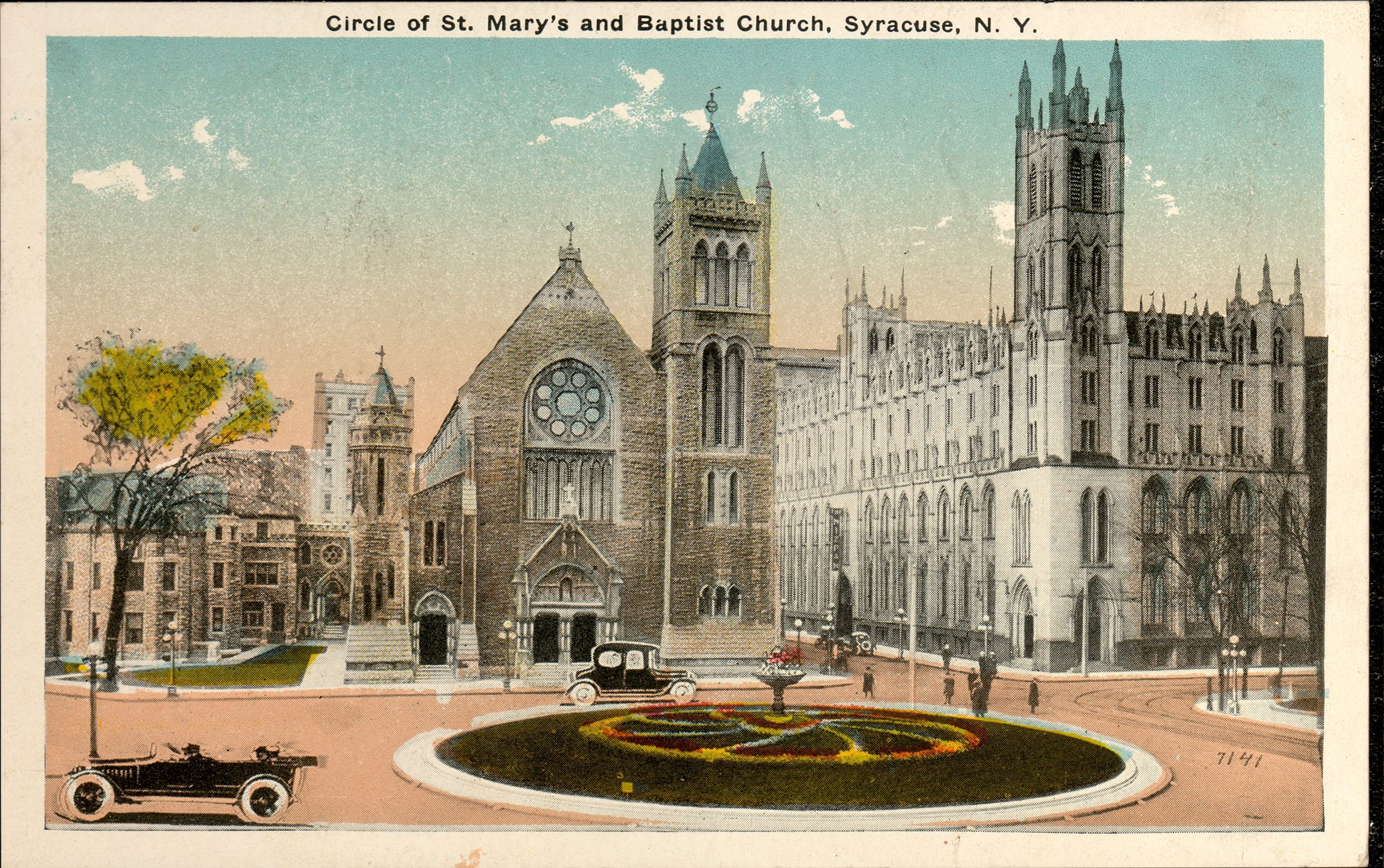
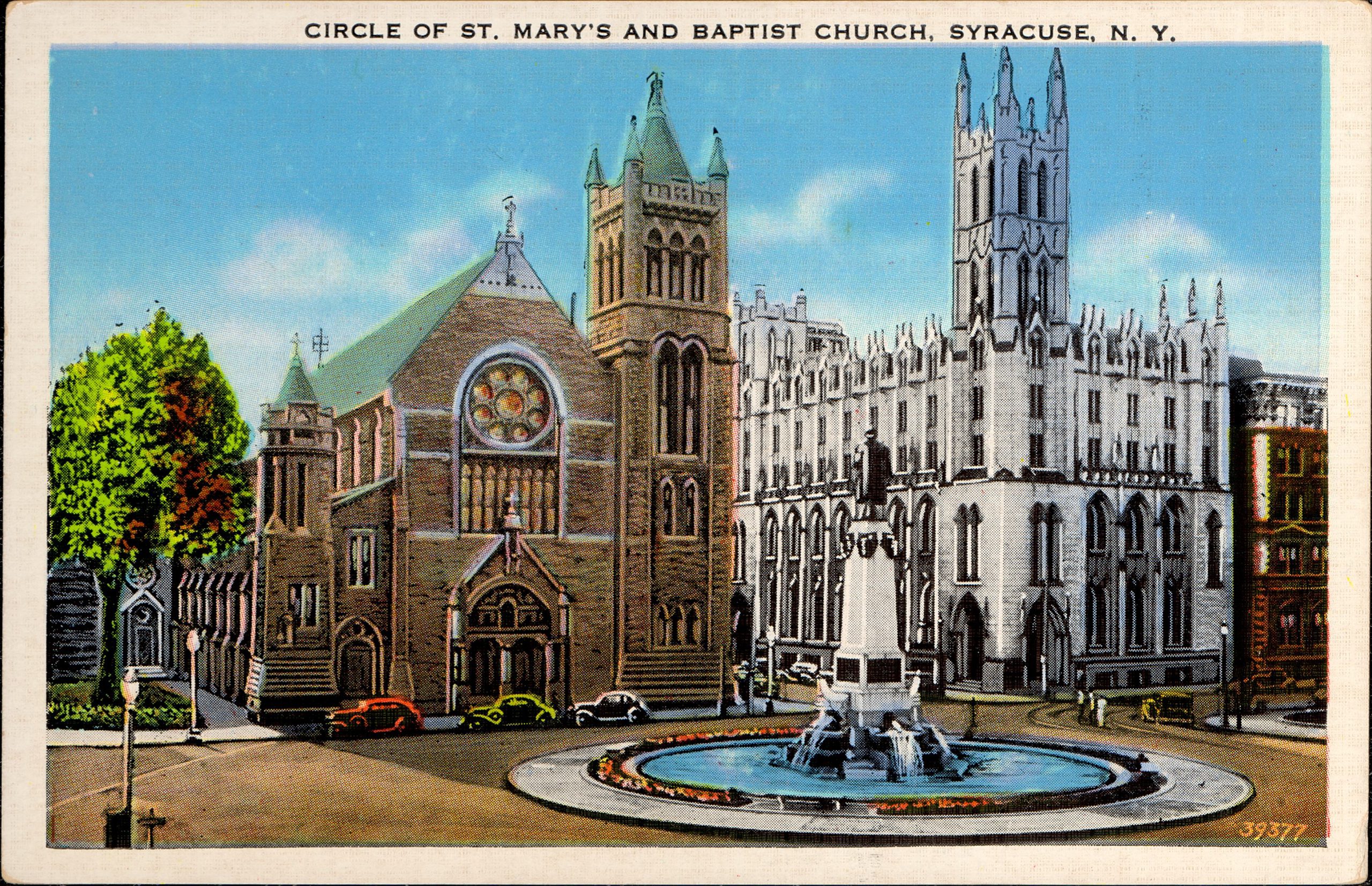
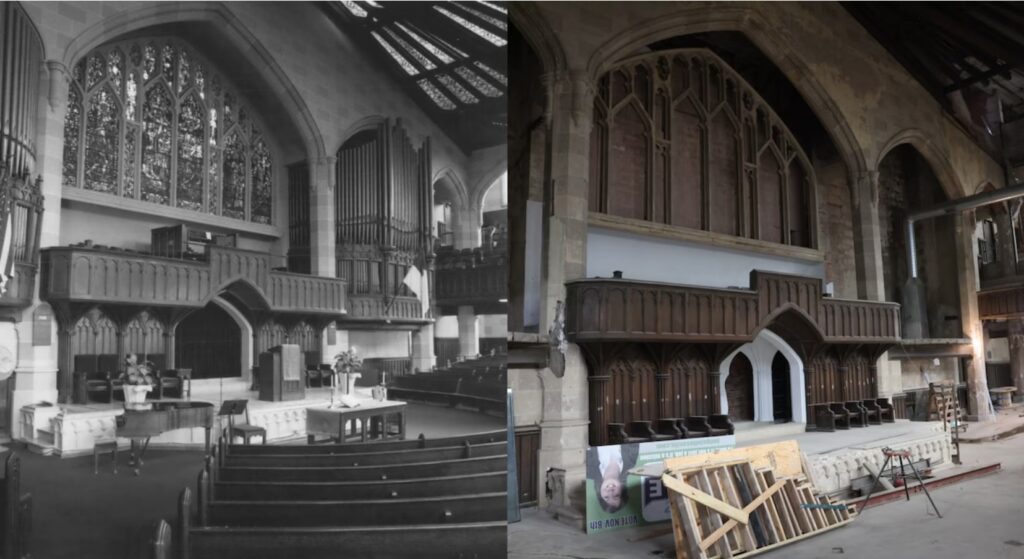
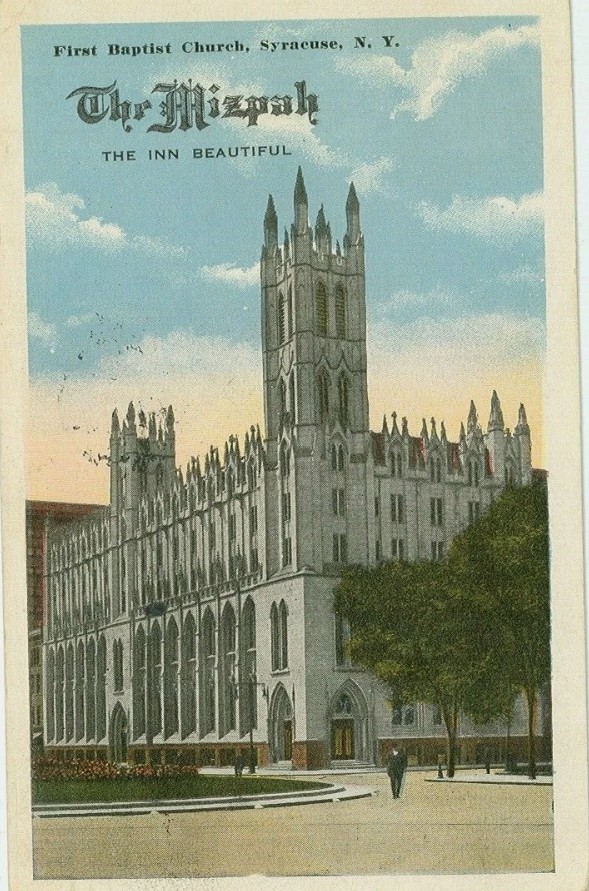
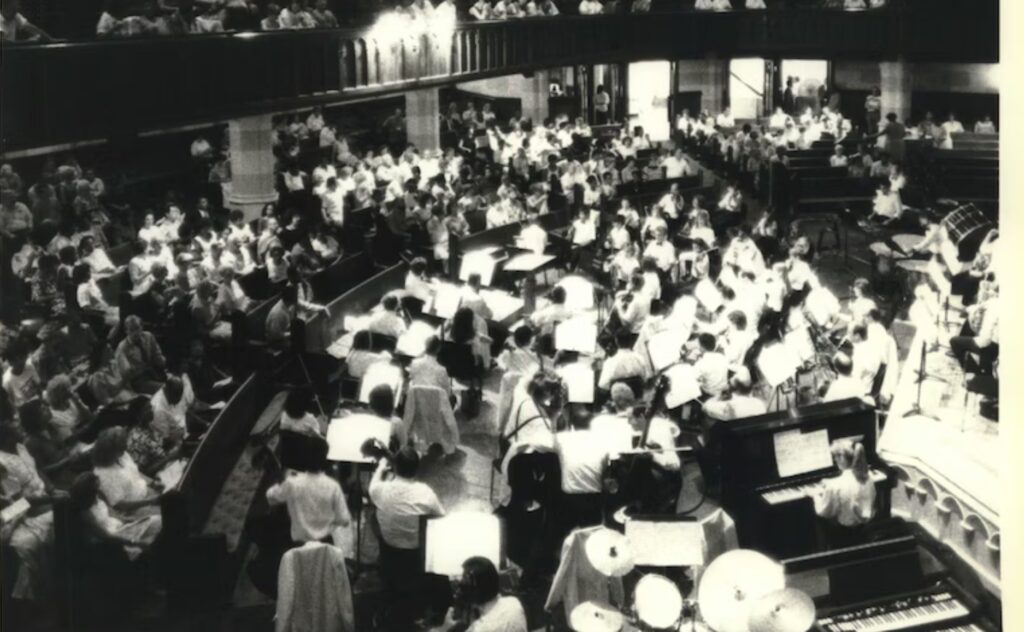
Mizpah Tower is a historic Gothic Revival building originally constructed in 1914 as the First Baptist Church with upper-floor hotel space. Known for its distinctive tower and mixed uses over time, it stood vacant for decades but is now home to a popular wine bar and law office.
City Hall
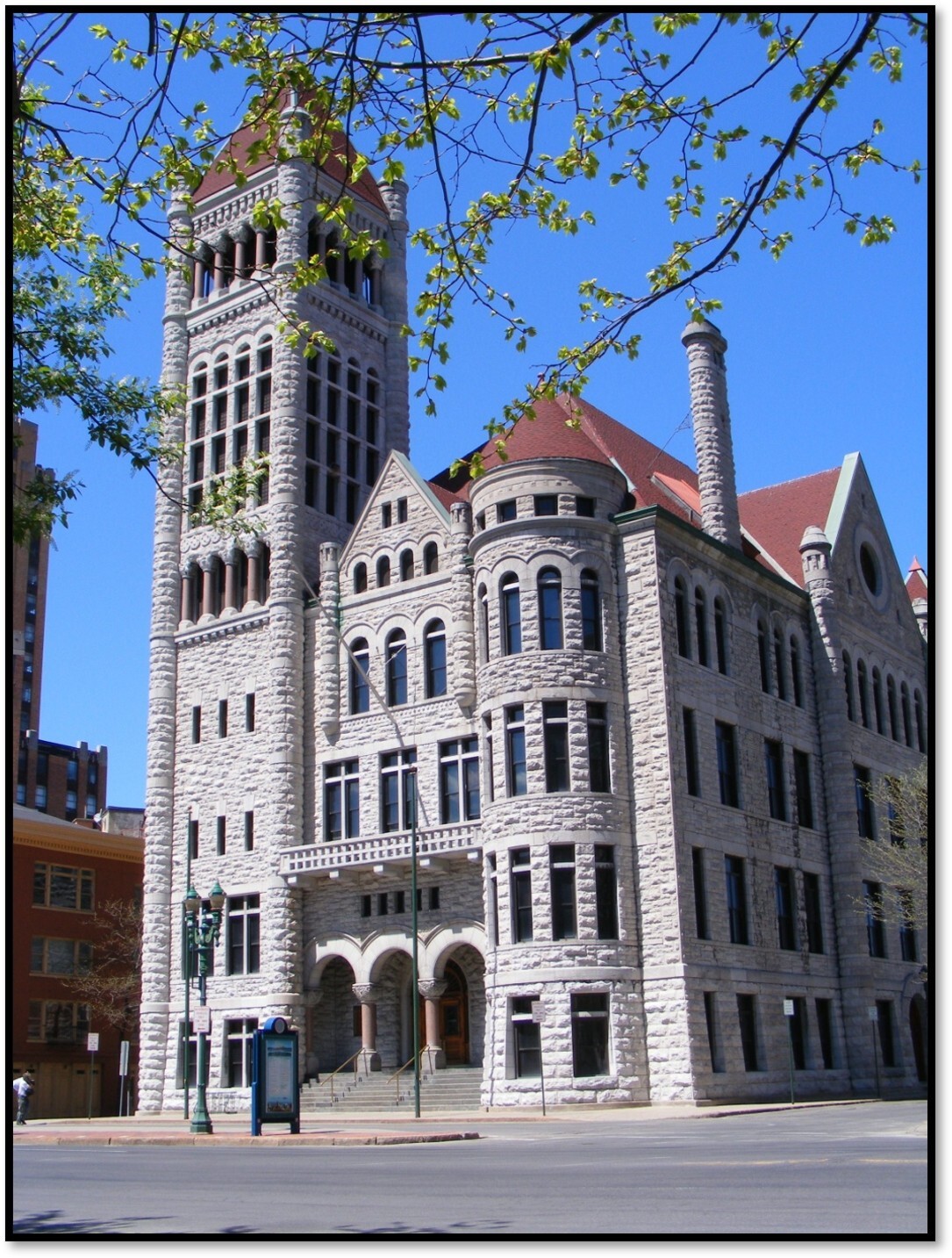
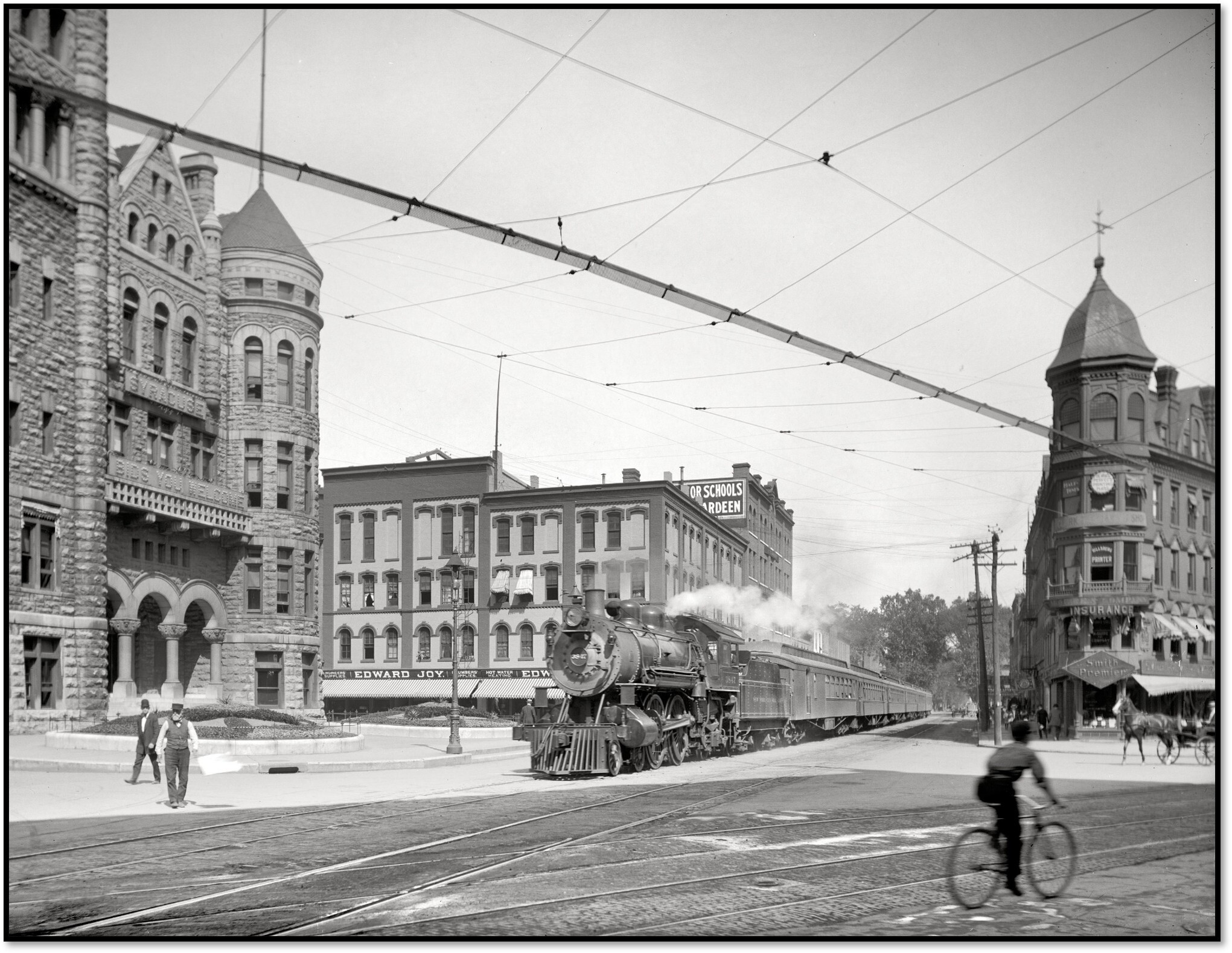
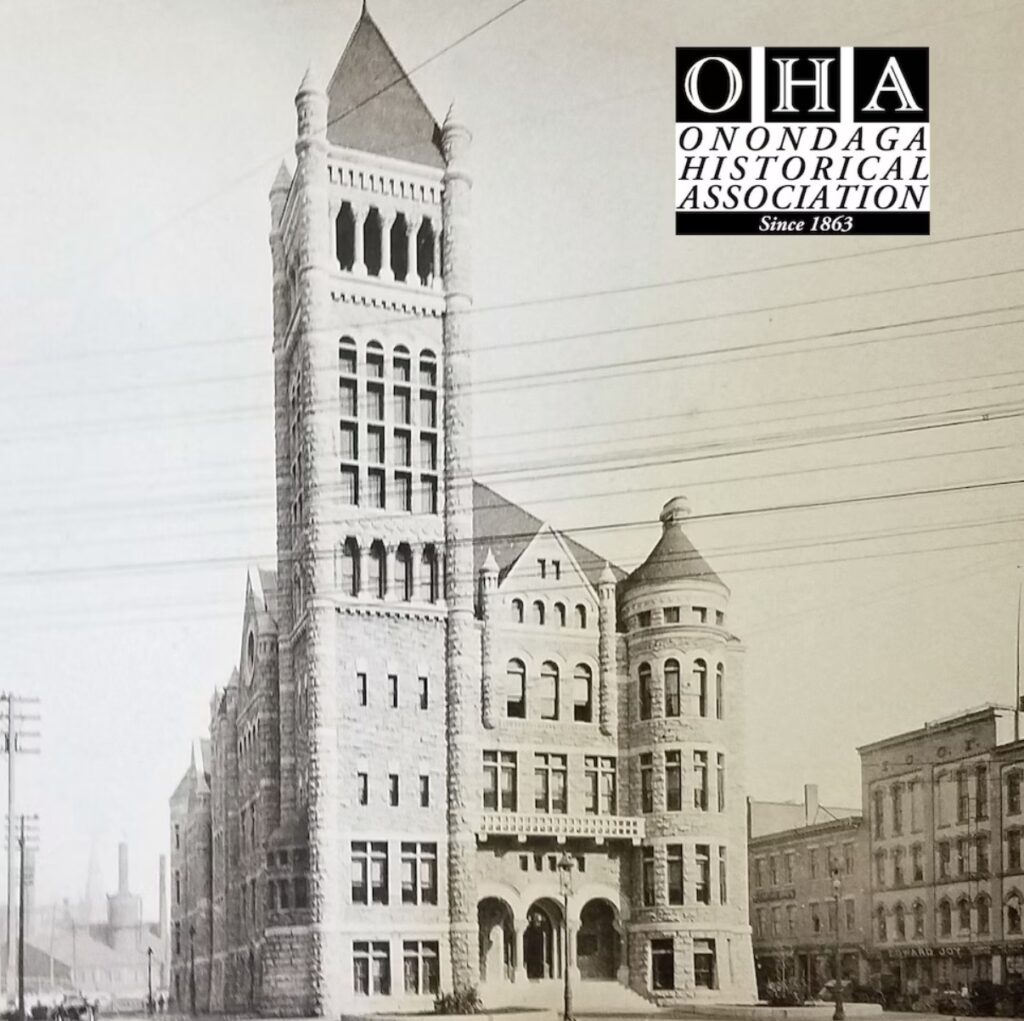
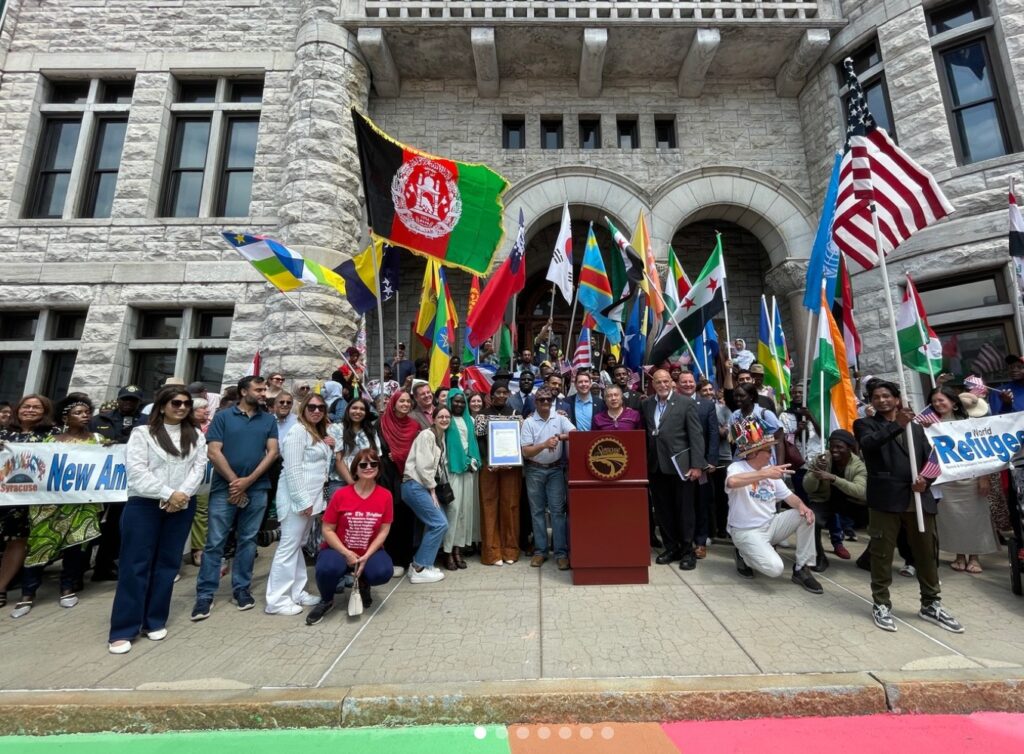
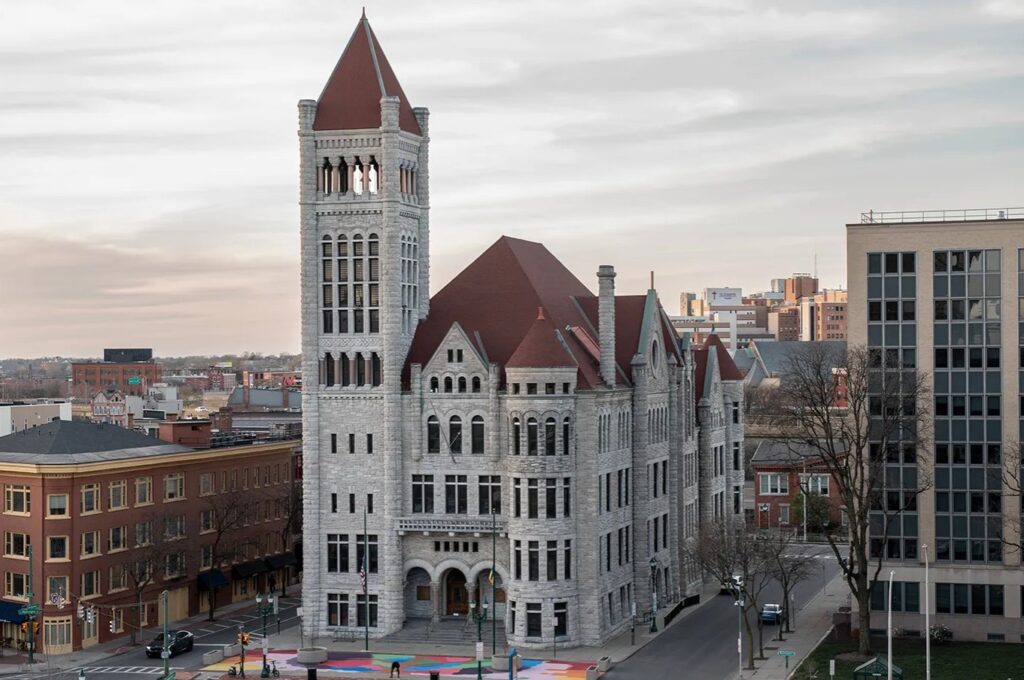
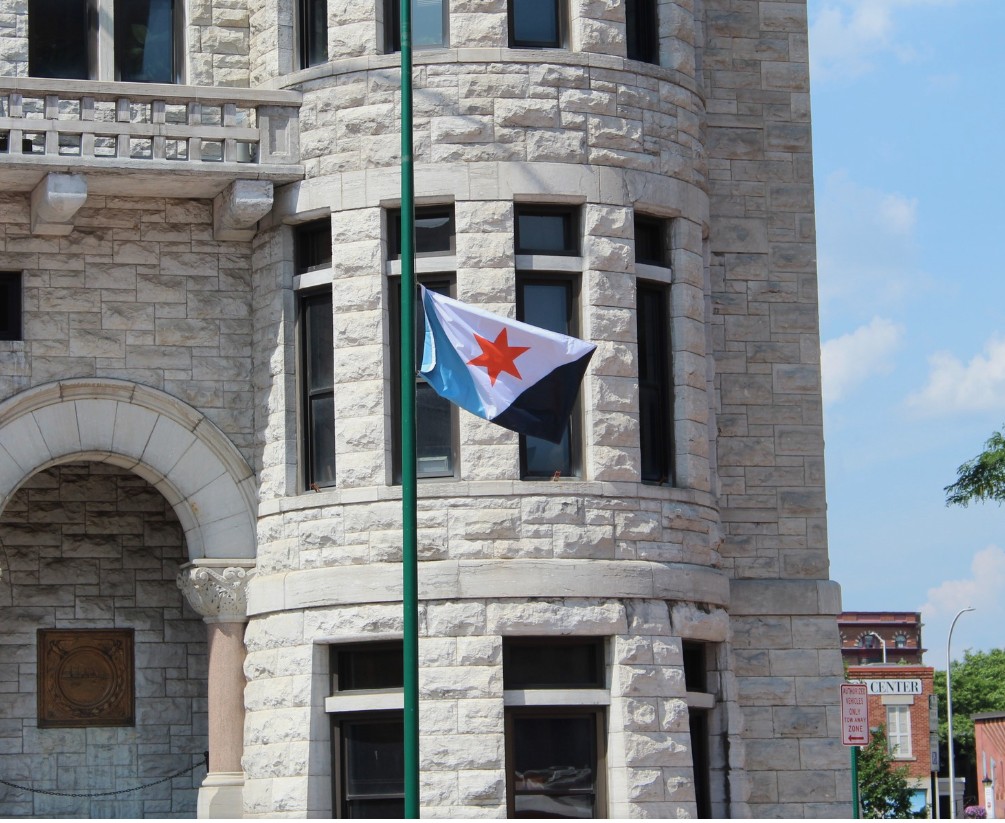
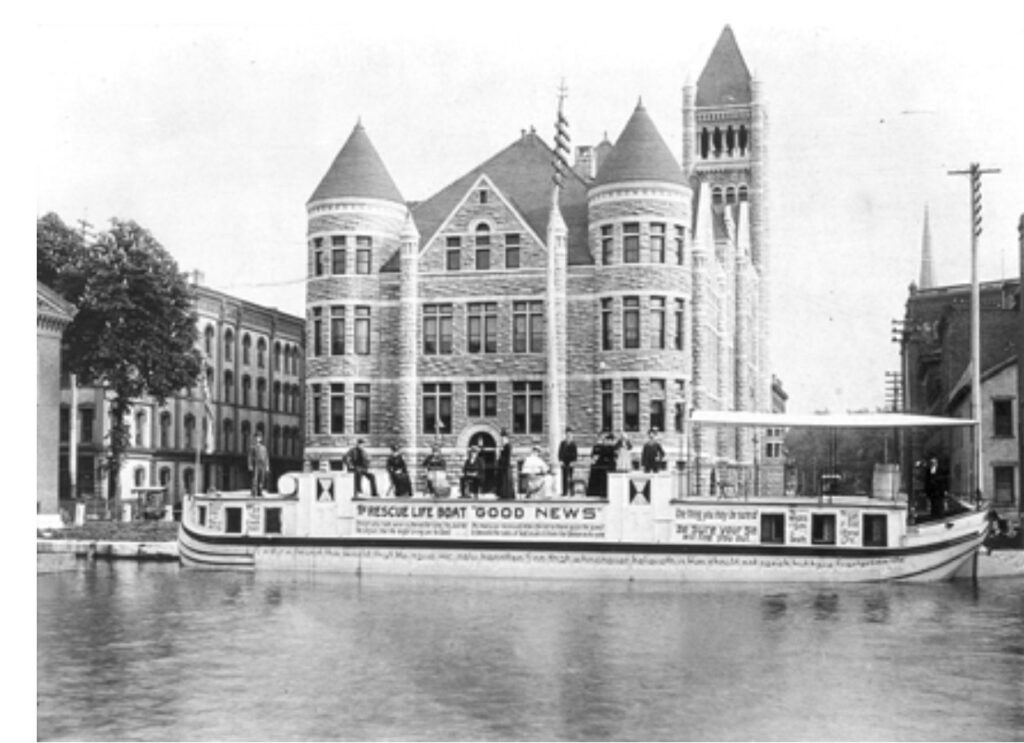
Originally known as “Market Hall” when the building was along the path of the Erie Canal, it became “City Hall” in 1852. The present day Richardson Romanesque structure was designed by architect Charles E.Colton and built out of Onondaga Limestone. It opened in 1892, and the main entrance was moved to the south side of the building in 1905. A bell was installed and later replaced by an electronic carillon in 1987. Trains ran along the Washington Street side until 1936. The building was added the National Register of Historic Places in 1976.
Onondaga Historical Association
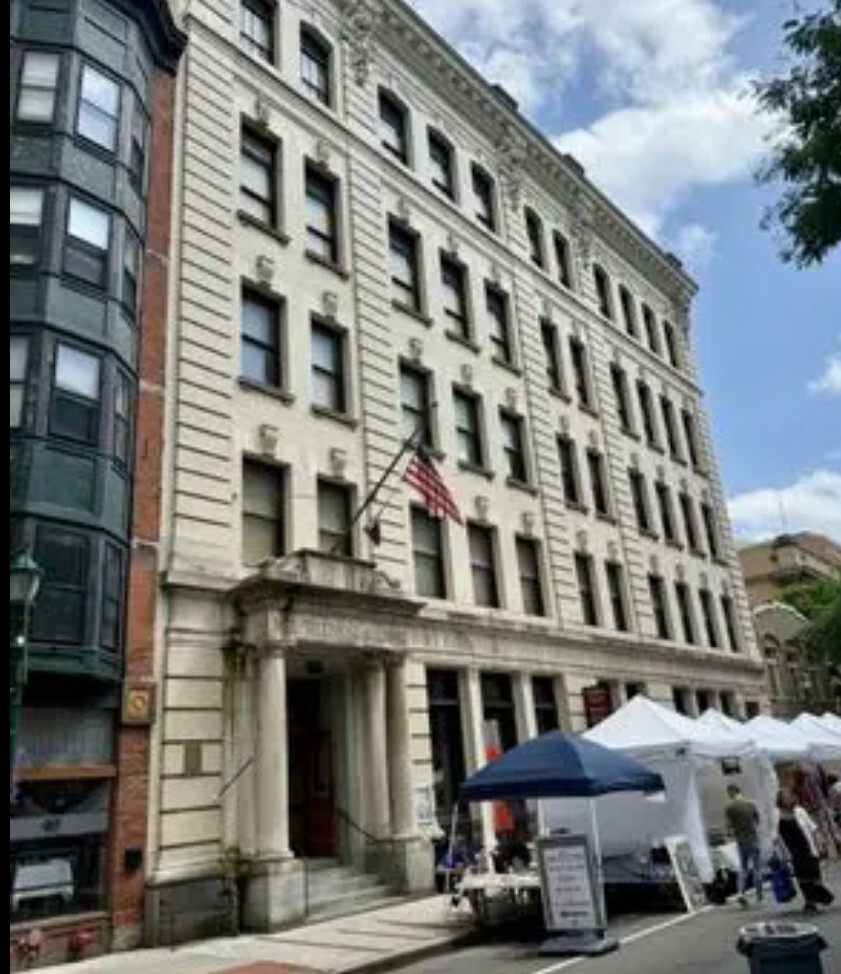
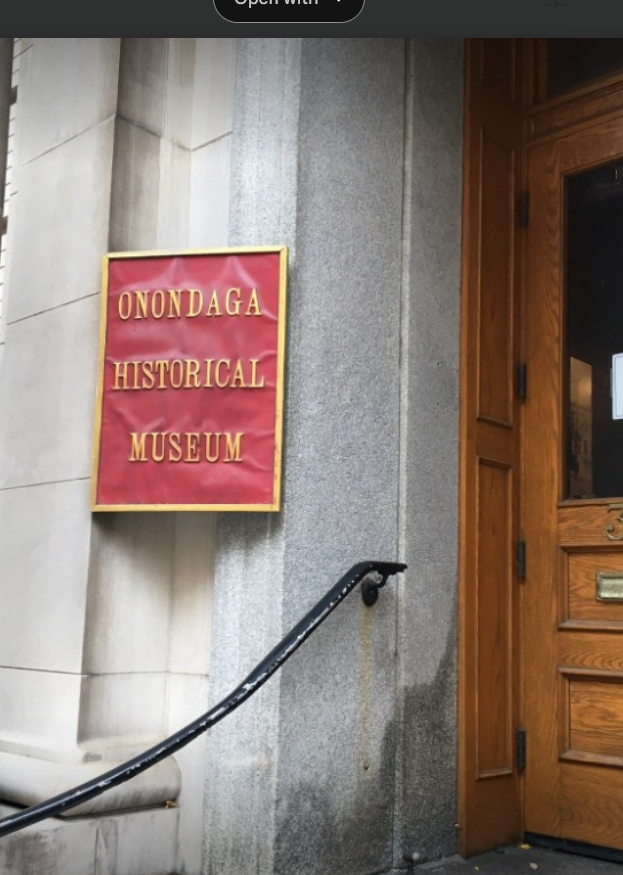
OHA’s downtown comprehensive history museum, Richard and Carolyn Wright Research Center, administrative offices and retail space are located in a former Bell Telephone building, constructed in 1906.

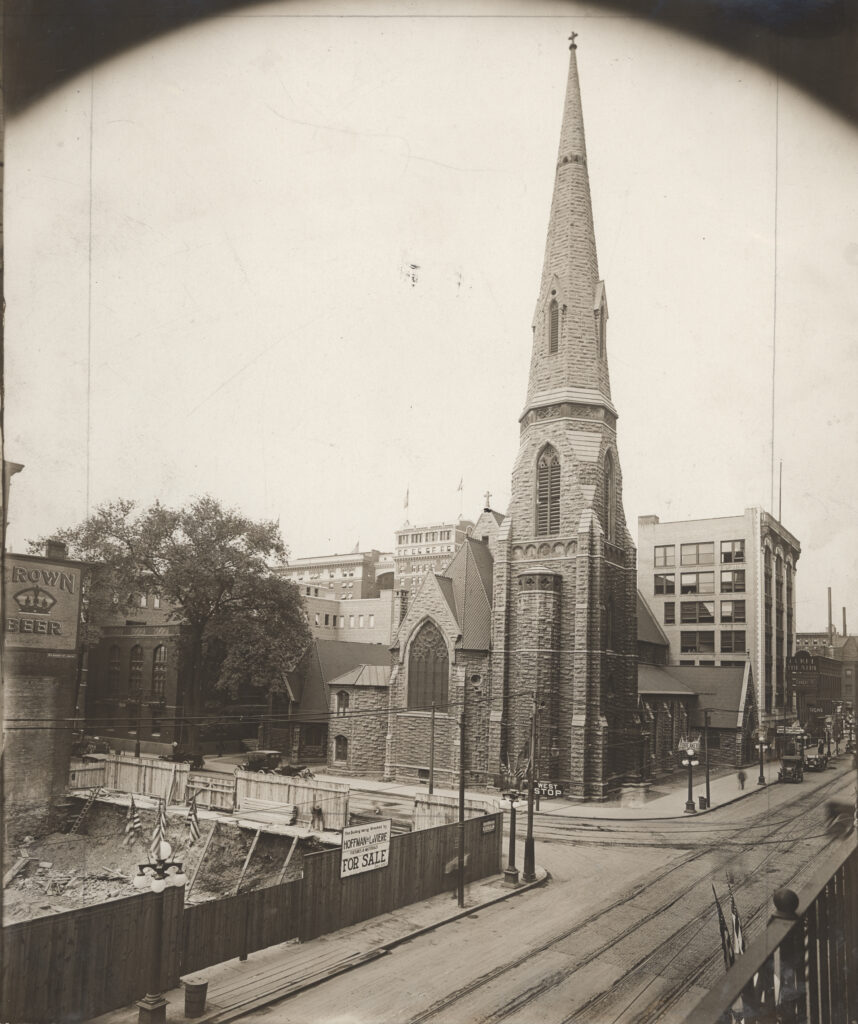
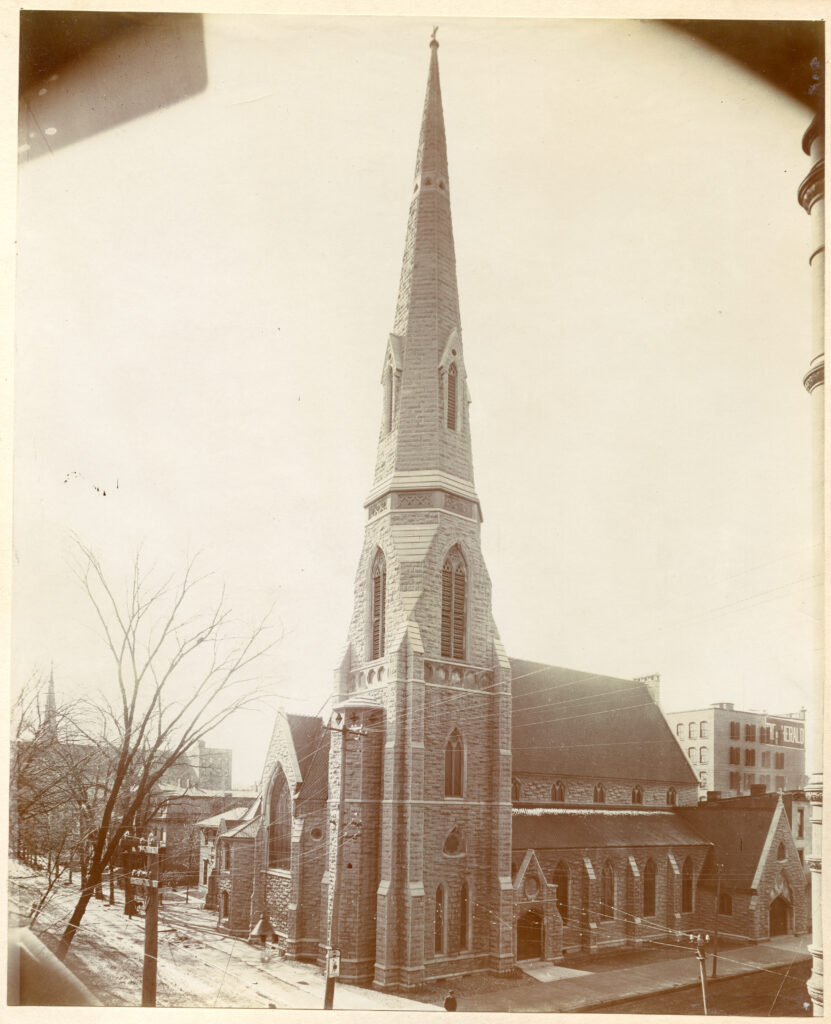
St. Paul’s Episcopal Church
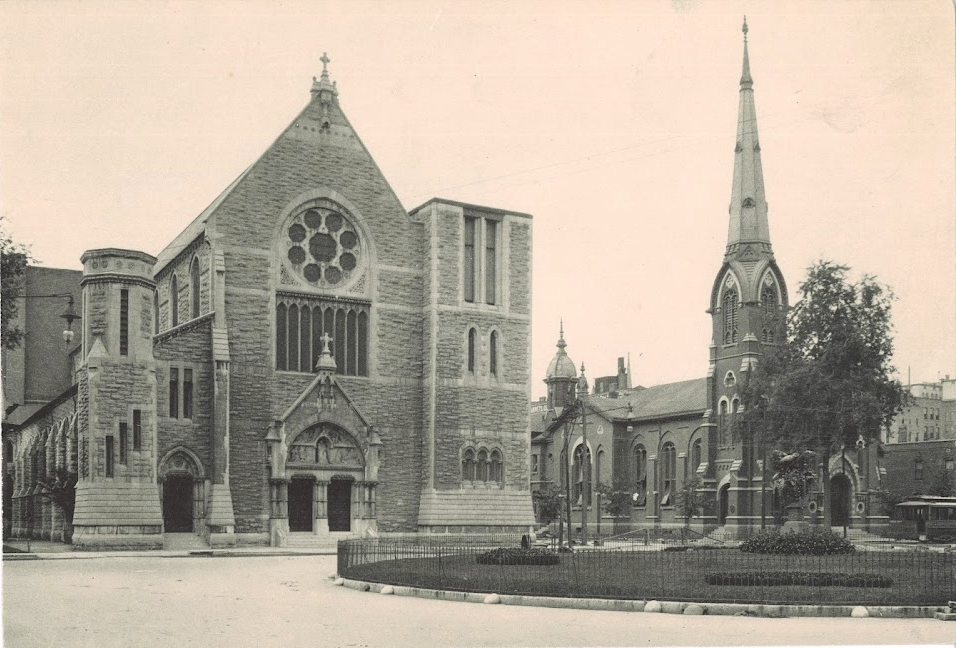
St. Paul’s Episcopal Church was built in 1885. Constructed out of Onondaga Limestone, containing the fossilized remains of ocean life from 300 million years ago, the building serves as the home of a congregation founded in 1827. Designed by English architect Henry Dudley in the Gothic Revival style popular in that era, many of the city’s most prominent families were congregants, including the Whites, who are memorialized in stone above one of the rear entrances. The church contains magnificent stained glass windows by Tiffany and Henry Keck Studios. It underwent a major renovation in the 1970s. The sanctuary is the home of Syracuse Orchestra’s Casual Concert Series. This year (2026) marks the church’s bicentennial and the completion of major capital improvements, which include a partnership with Tiny Home for Good to convert the parish house to a 10-unit senior facility and provide managed care for individuals facing homelessness.
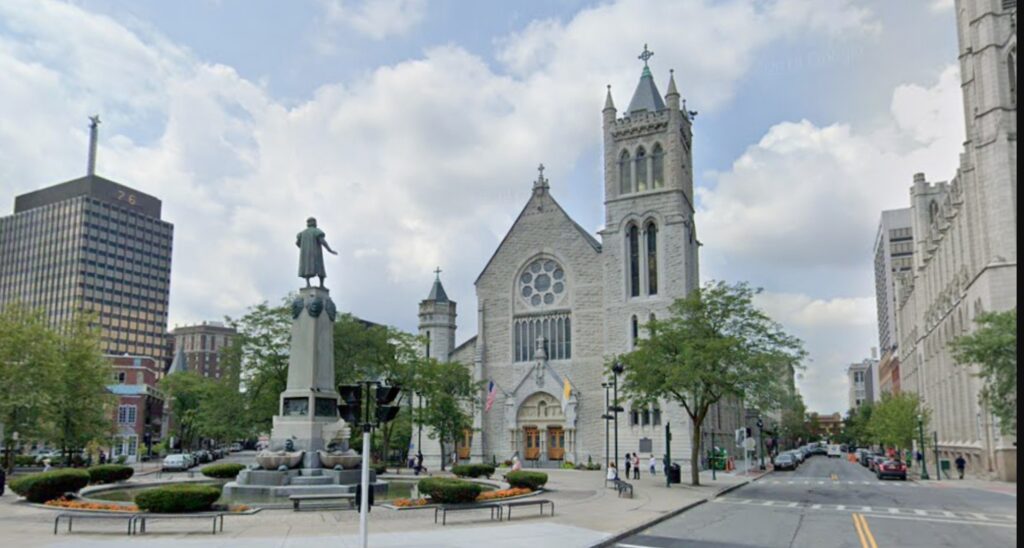
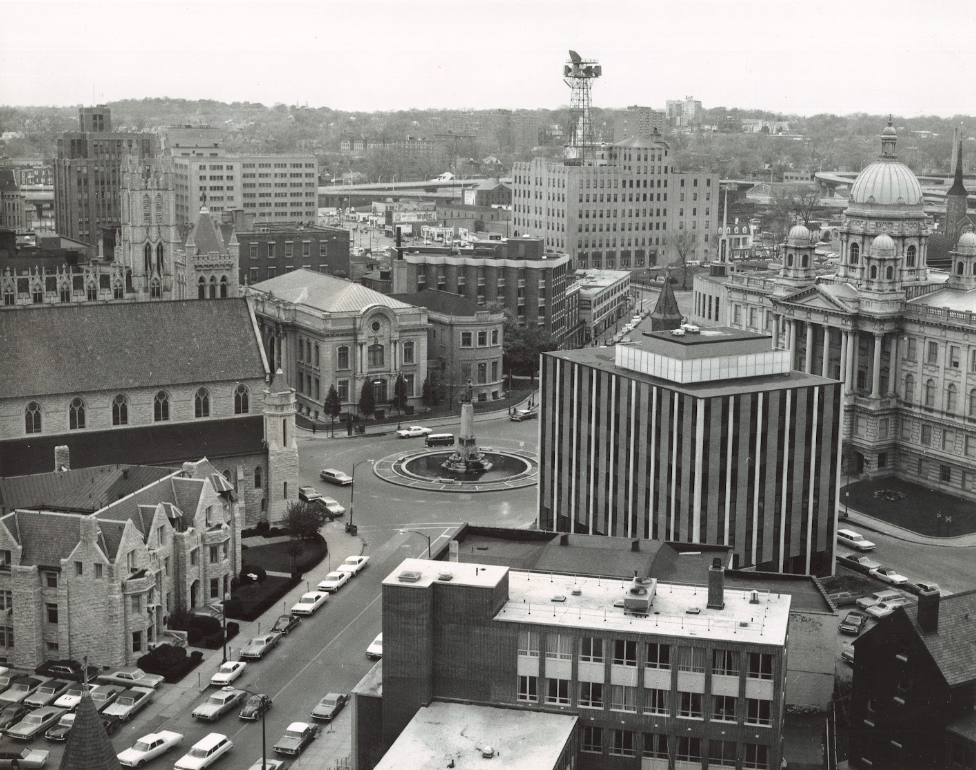
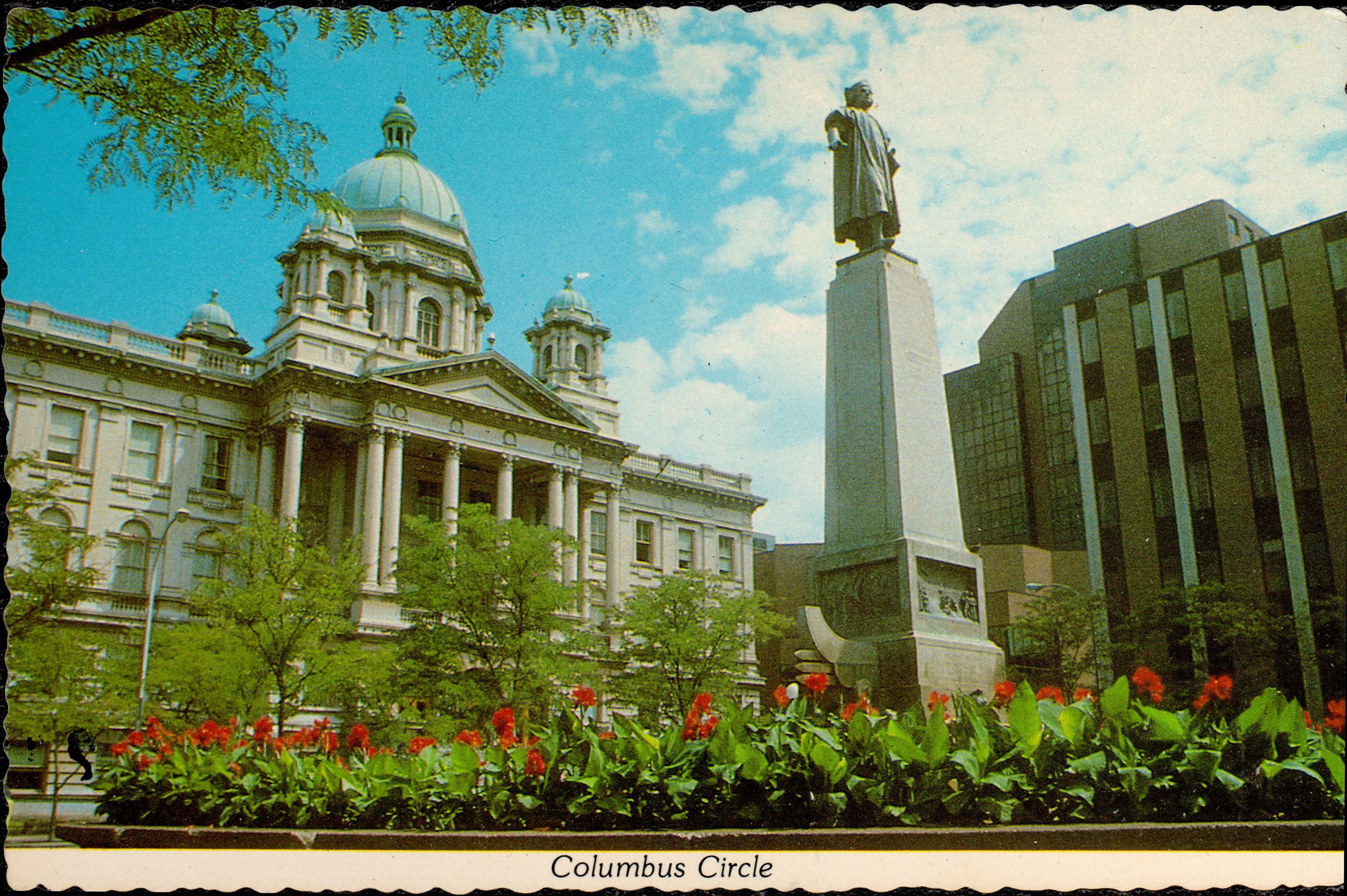
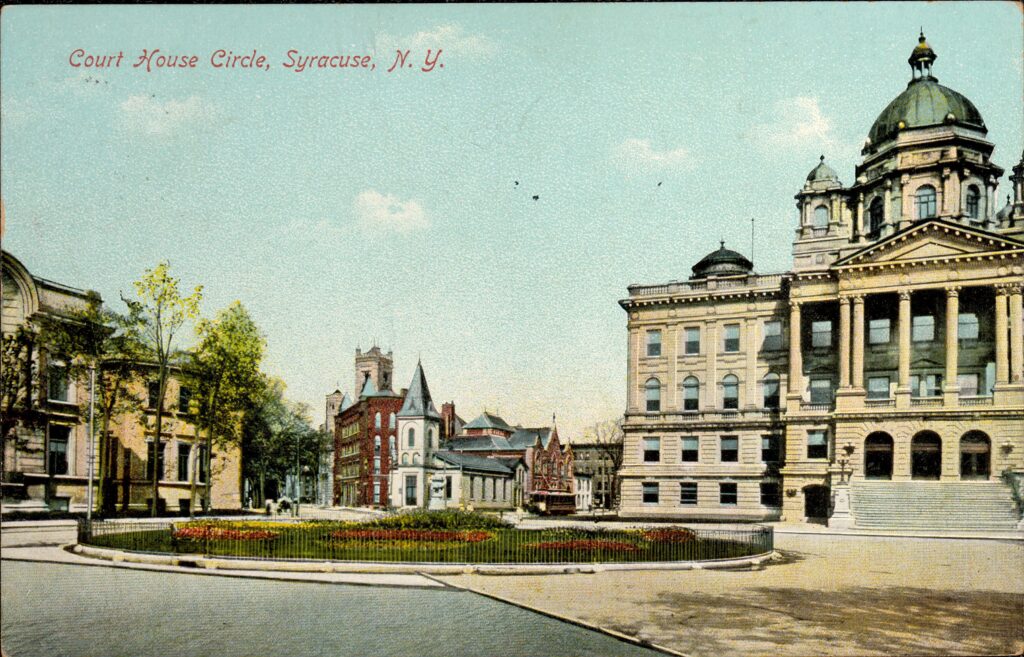
St. Mary’s Circle/Columbus Circle
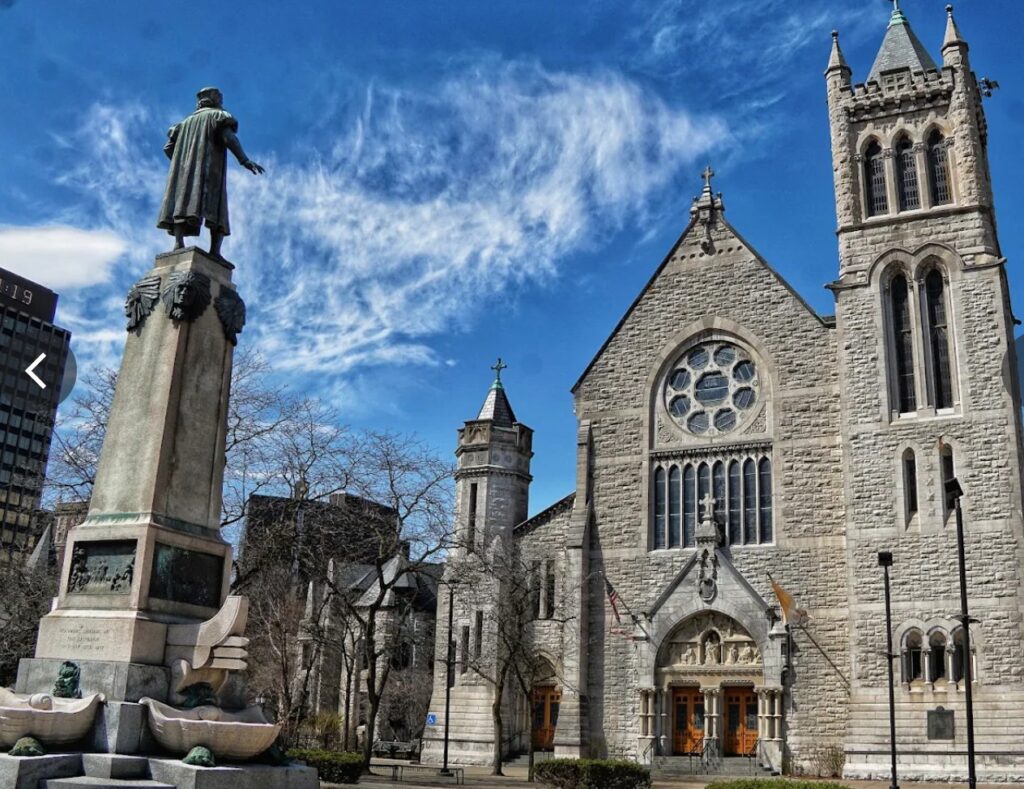
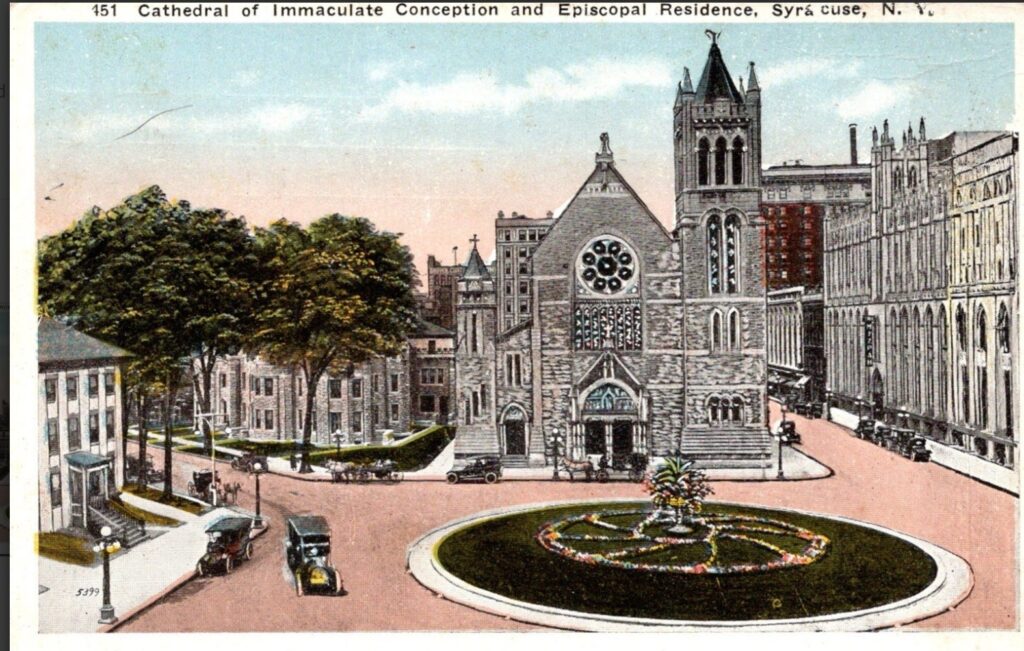
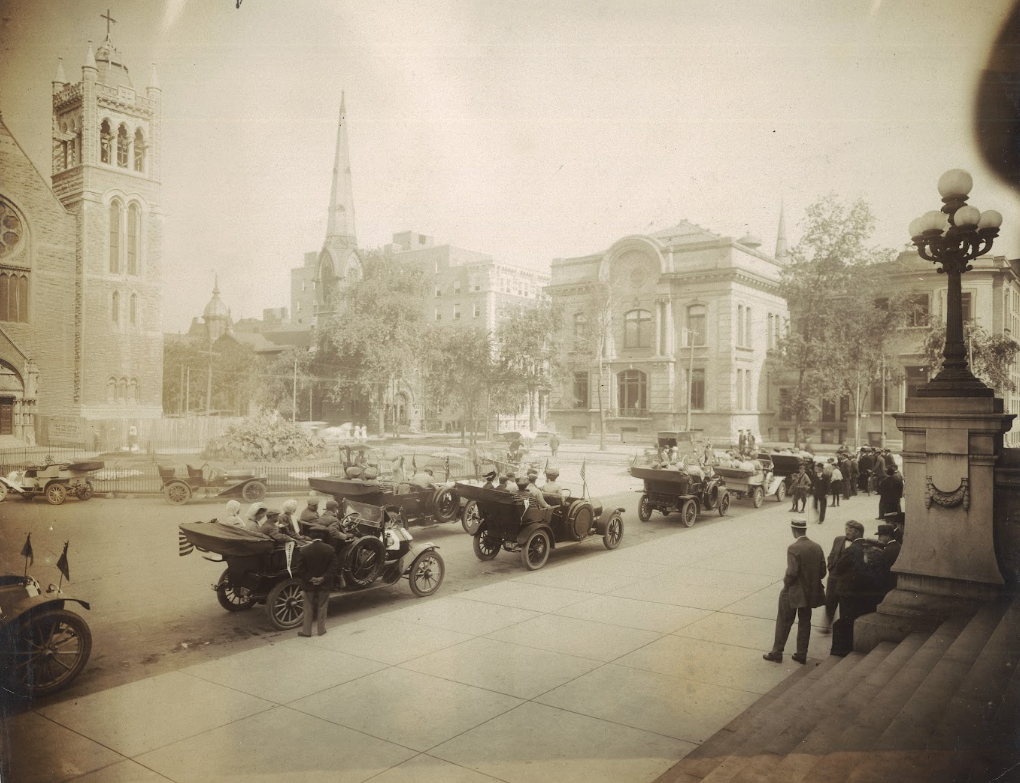
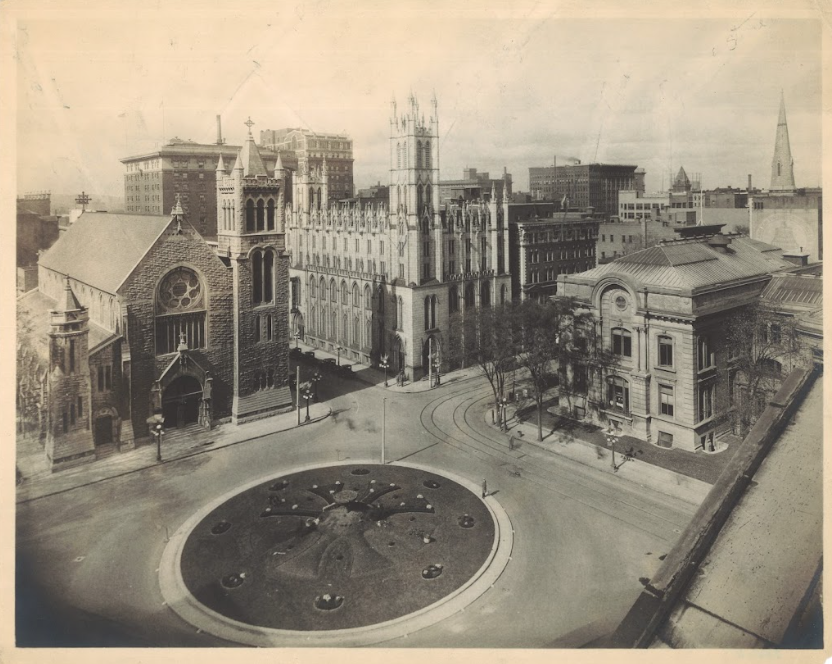
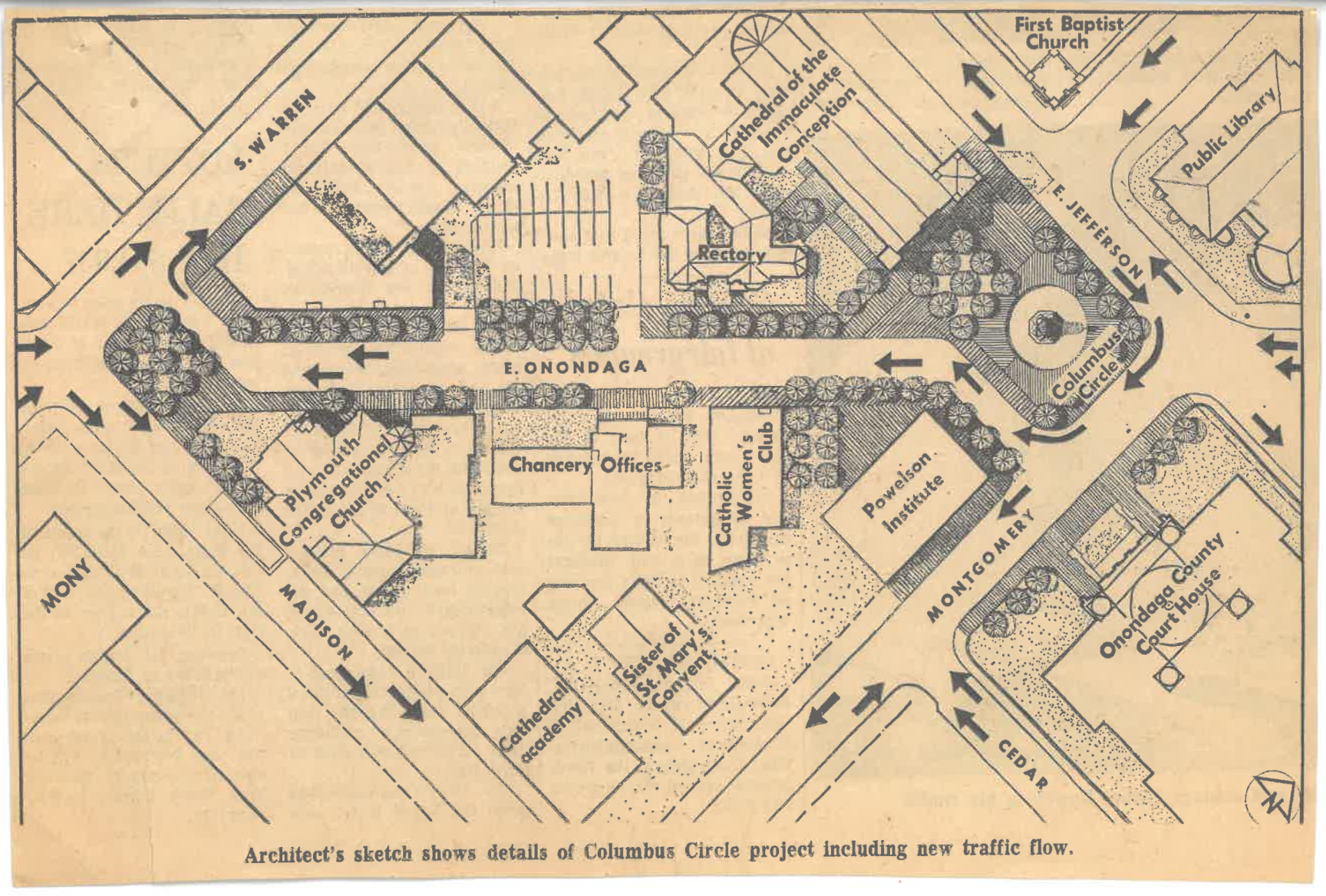
Originally referred to as St. Mary’s Circle and Library Circle, this open area is a focal point for the surrounding architecturally significant buildings and is also the terminus of the Montgomery Street-Columbus Circle Historic District from the North. With the installation of the Columbus monument in 1934, this location was thereafter referred to as Columbus Circle, where it remains the center of buildings that represent government, judicial affairs, religious life, arts, human services, and entertainment.
Heritage Park / Powelson Site
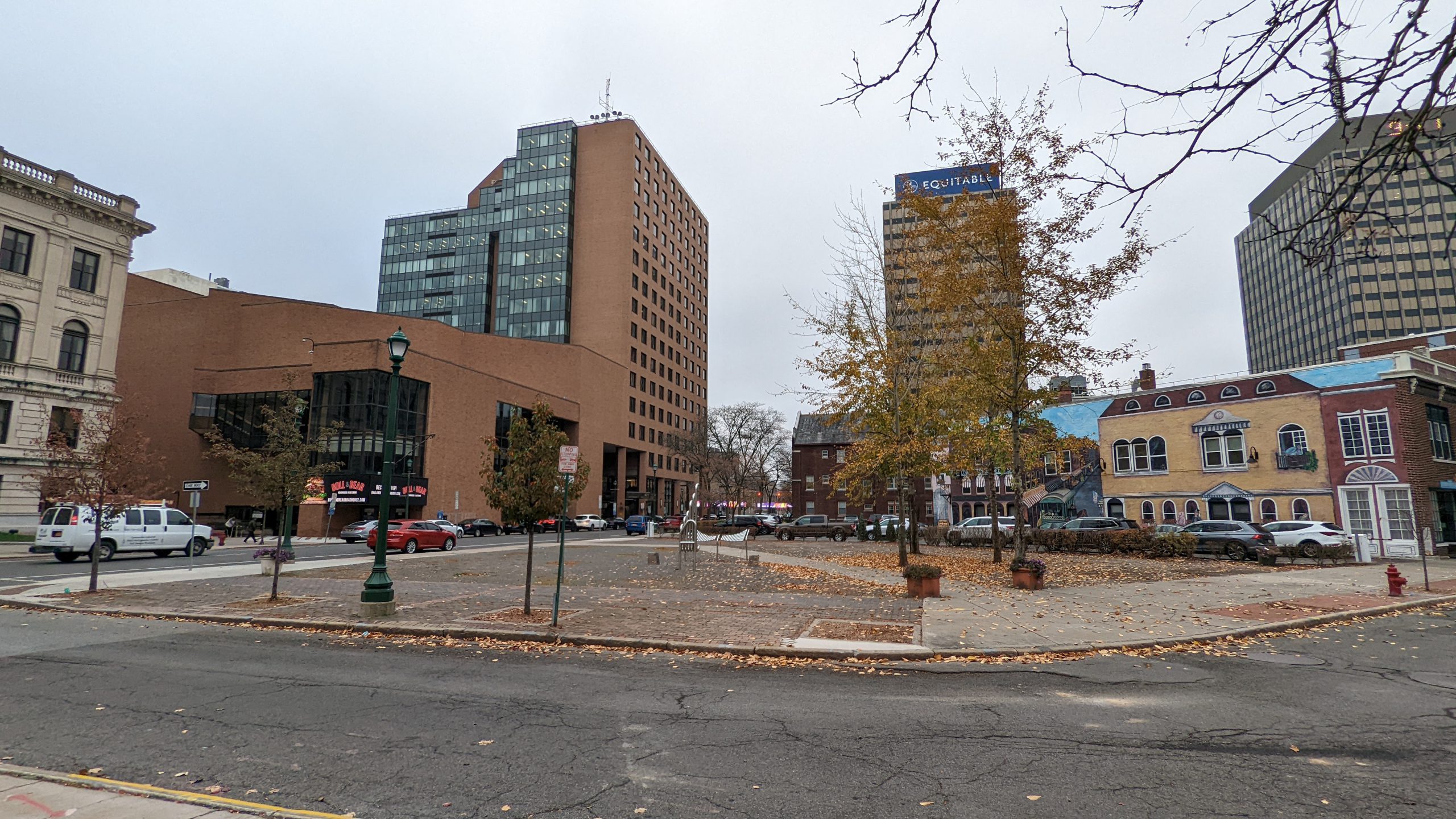
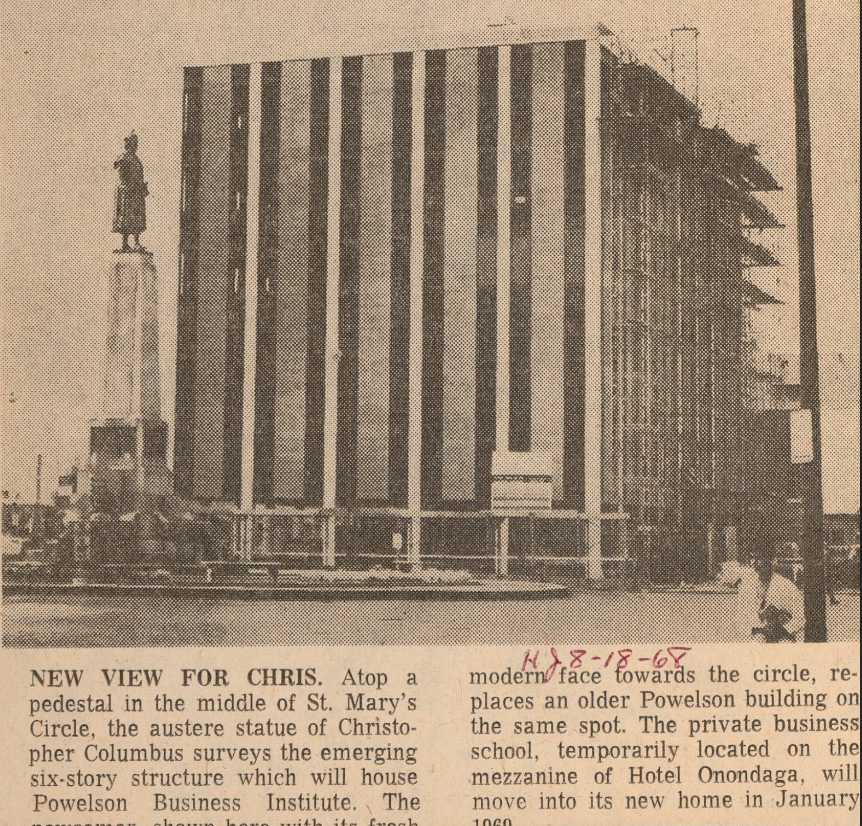
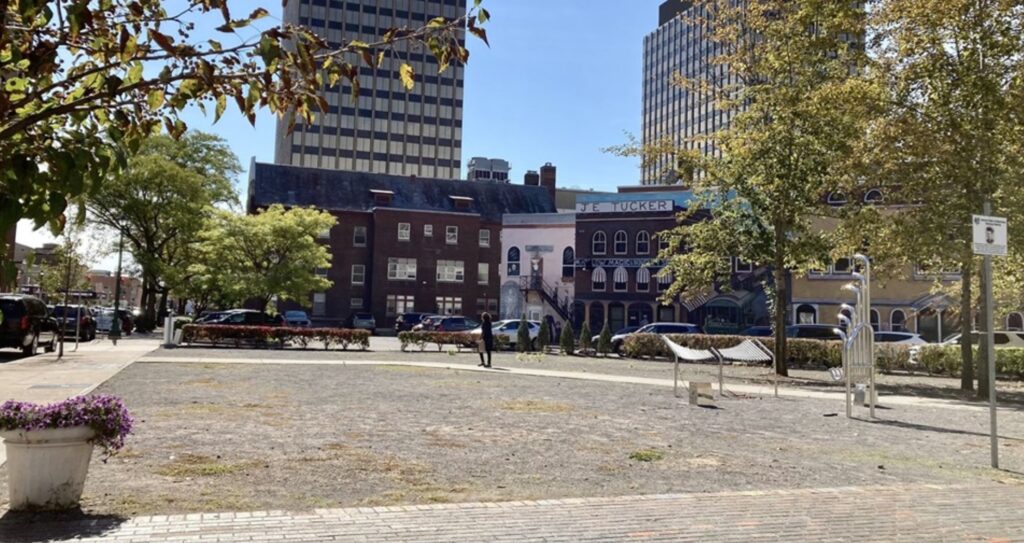
This vacant site, now owned by the City, was once home to the Powelson Institute — a business, accountancy, vocational, and secretarial school founded by John A. Powelson, a Harvard-educated CPA, in the early 20th century. (In later years it was absorbed into Bryant & Stratton College.) The building was demolished in 2004, leaving behind a vacant city-owned lot. In 2020 the site was envisioned as a heritage and public education site known as “Heritage Park.”

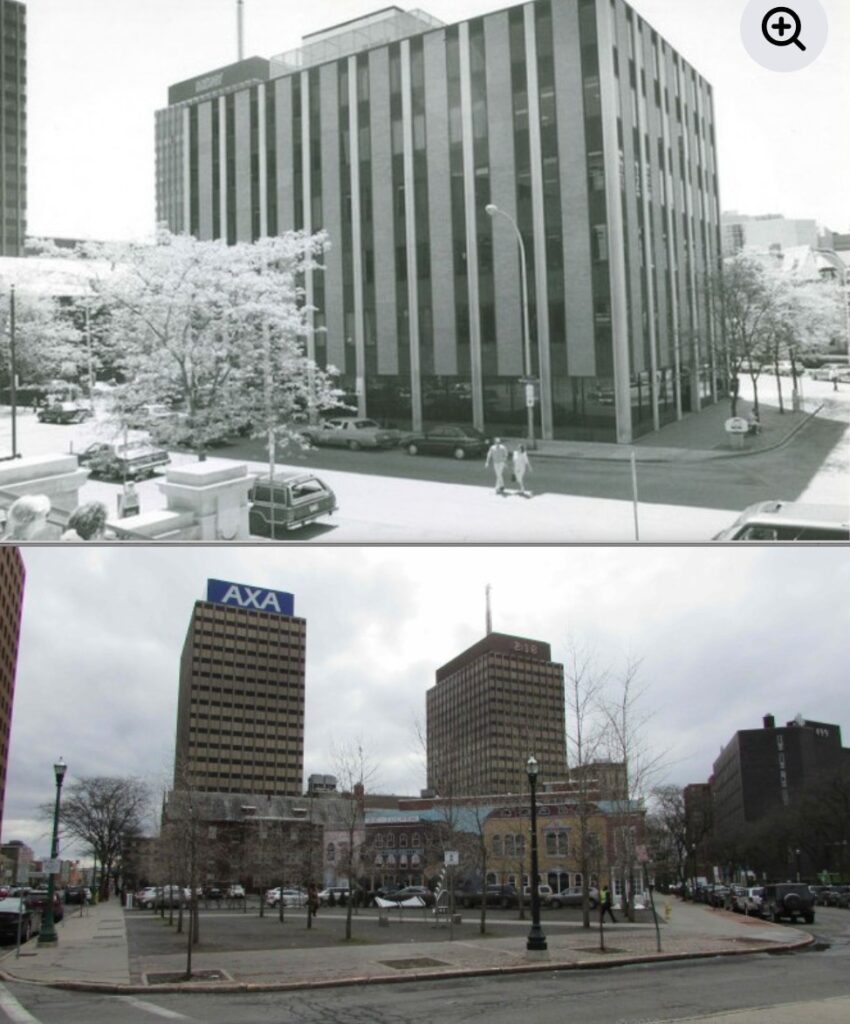
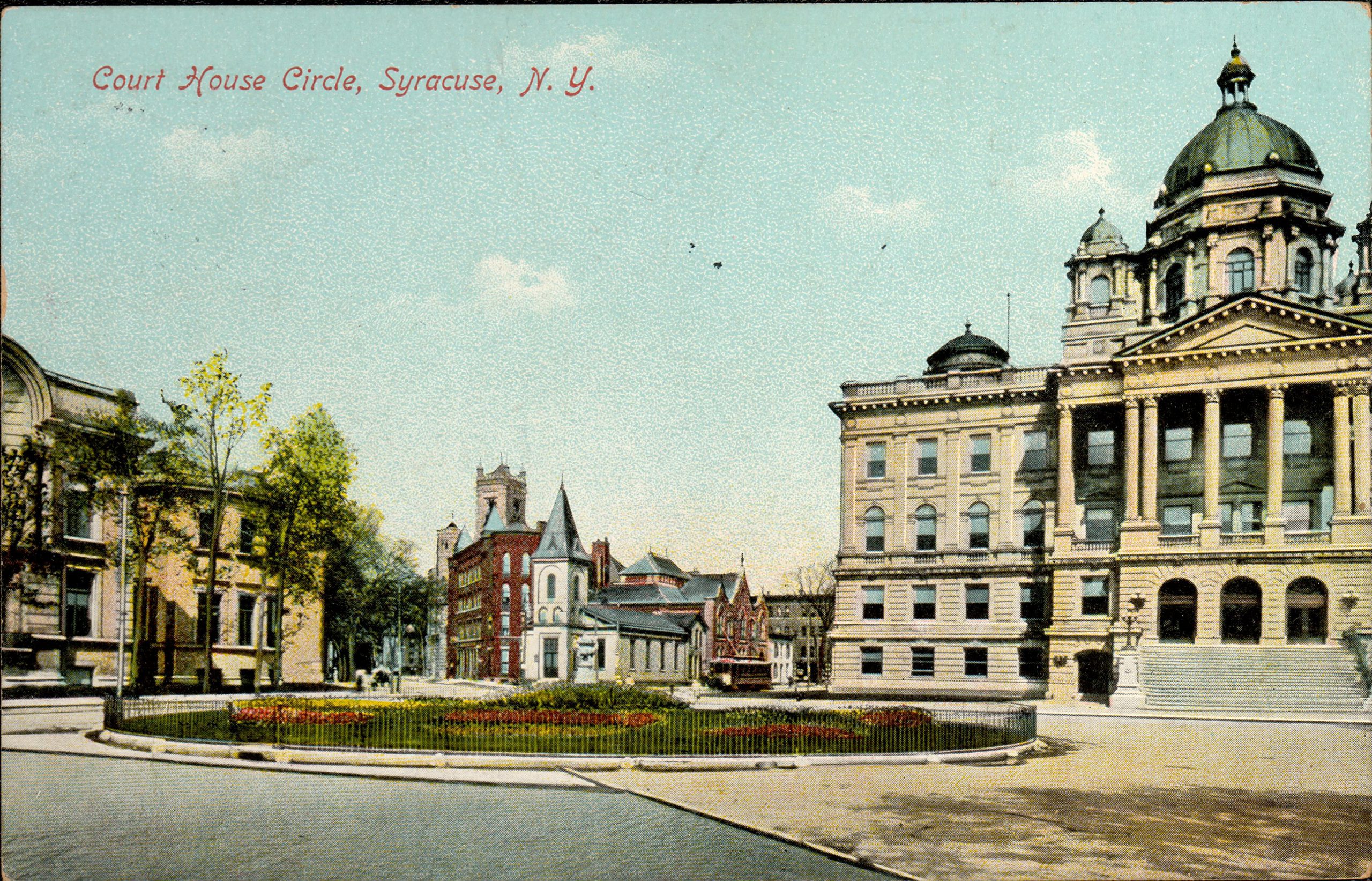
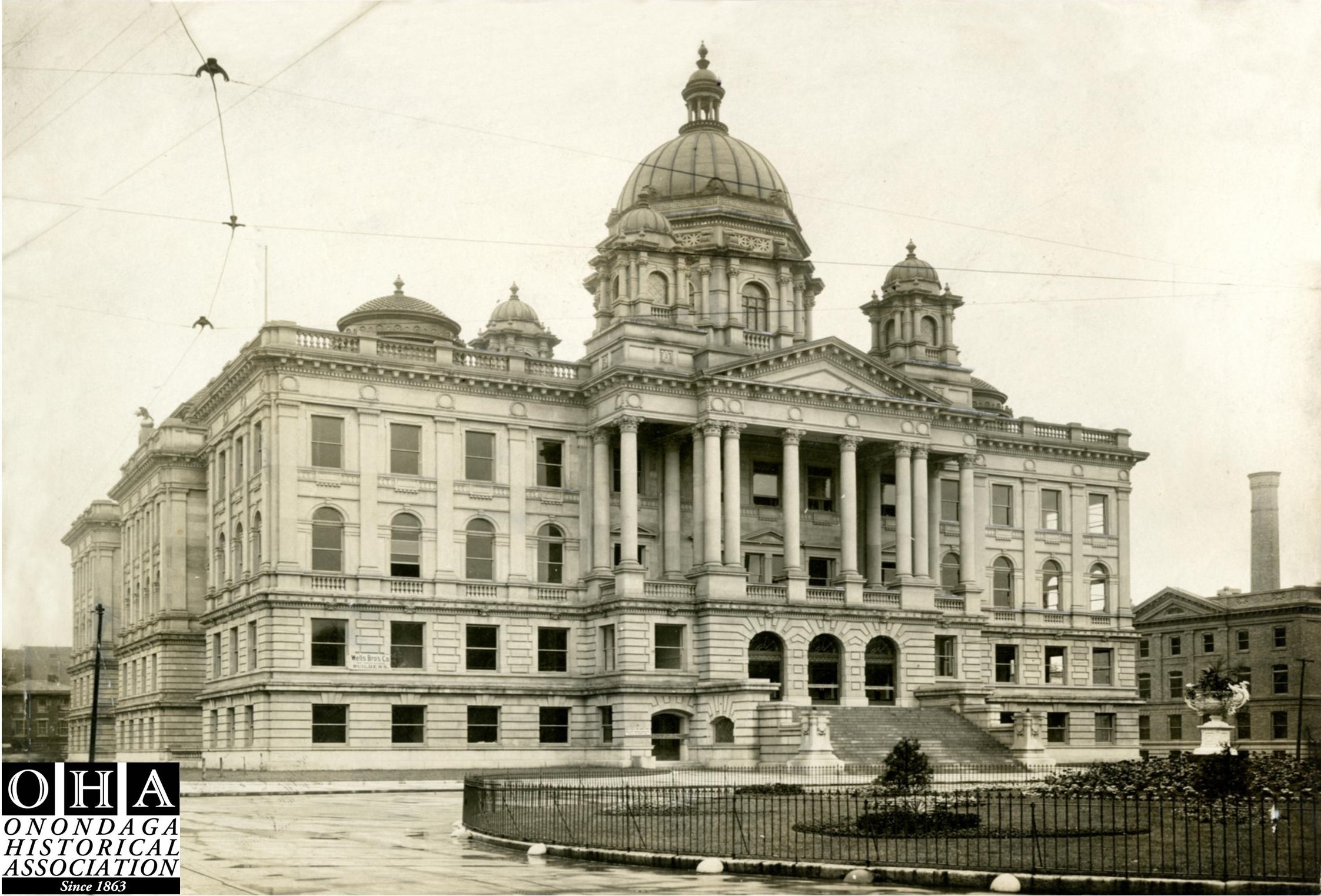
Onondaga County Courthouse
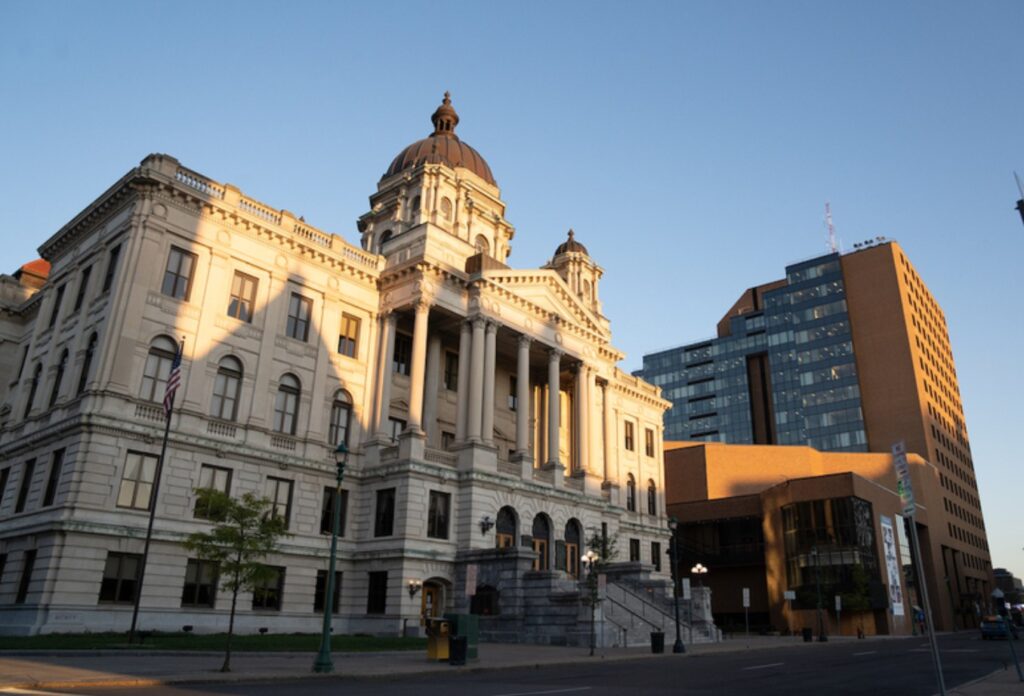
The Onondaga County Courthouse, completed in 1907 at Columbus Circle in Syracuse, New York, is a Beaux-Arts public building designed by Archimedes Russell and Melvin L. King. It replaced earlier courthouses and features classical architecture, ornate interiors, and historic murals. Listed on the National Register of Historic Places, it continues to serve county and state courts.
Cathedral of the Immaculate Conception
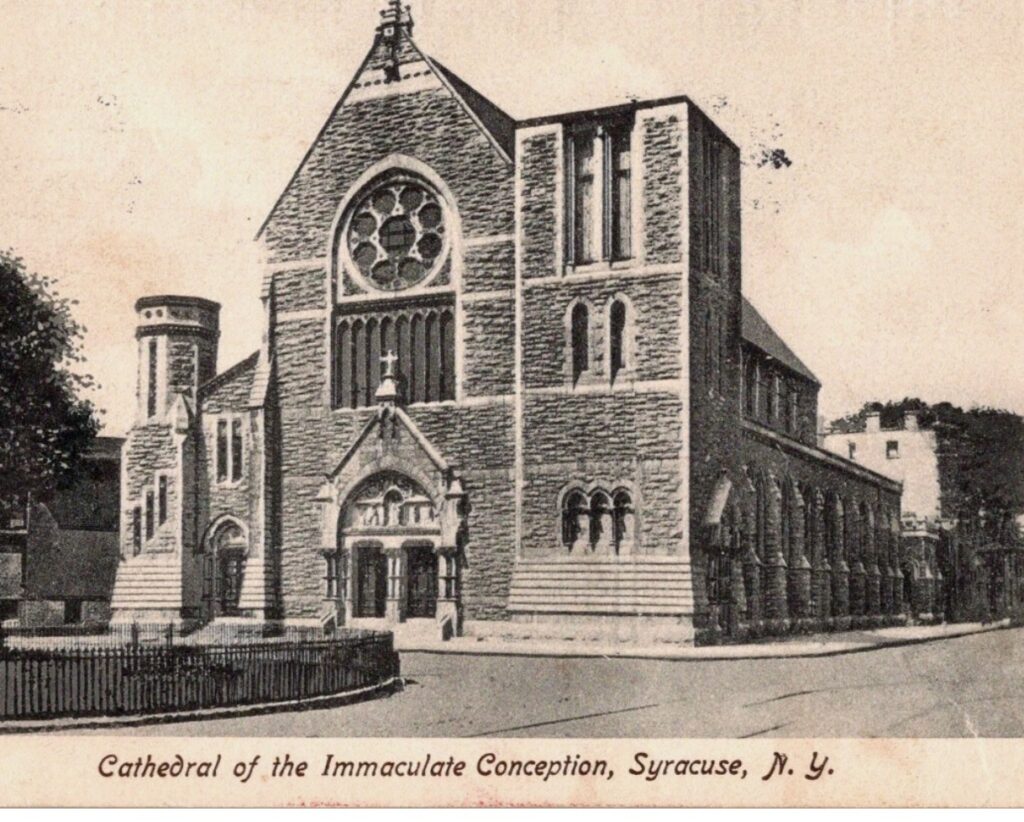
The Cathedral of the Immaculate Conception is the mother church and episcopal seat of the Roman Catholic Diocese of Syracuse. Originally built in 1874 as St. Mary’s Church, it became a gothic-style cathedral in 1904, was expanded by architect Archimedes Russell, and consecrated in 1910. Today, it hosts worship, community services, and cultural events.